

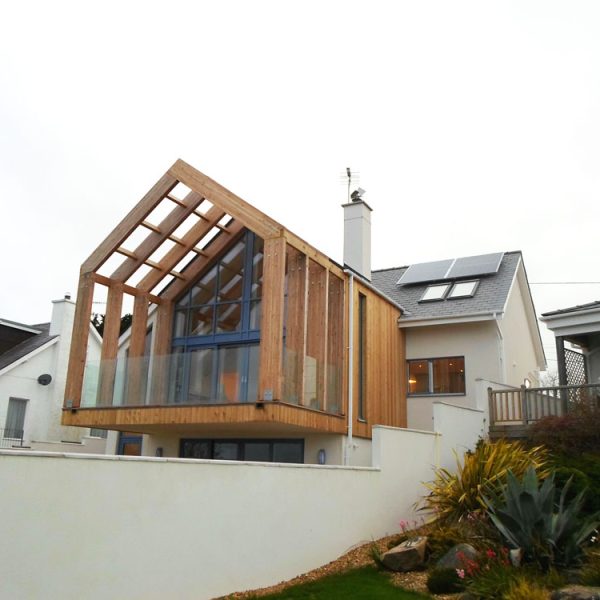
Our service ranges from the design of needling & propping, shoring of temporary excavations, to working platforms.
We can provide design for the building’s external envelope to ensure performance, safety, durability and architectural intent.
As a designer it is our duty to eliminate or reduce health & safety risks in our designs.
We can plan construction tasks in a logical and specific order to ensure a project is completed safely and on time
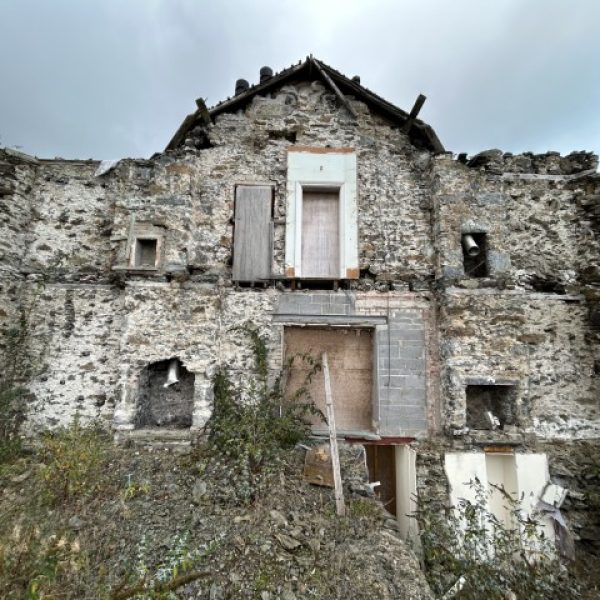
We can provide visual survey of buildings and other structures to identify any defects that may need rectification or further intrusive investigation.
We can arrange, supervise and record intrusive investigations to determine the form, strength and condition of all types of structure.
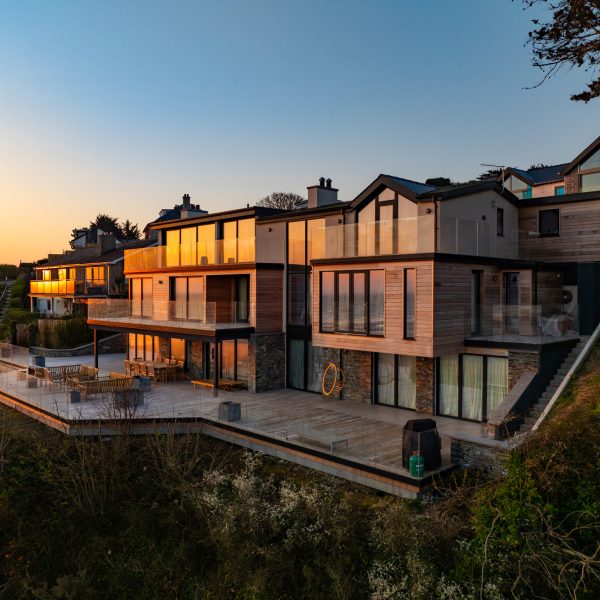
Comprehensive service from planning, through construction, and to handover and its subsequent use and operation.
We can provide design or review of Contractor designed elements and site support during construction.
Our Work
Contact Us
A Build Over Agreement contract between the property owner and the local water authority will be required when building over or near (within 3 meters) to a public (shared) sewer or drain.
The agreement is essential to ensure the integrity of the sewer system and protect the property from potential damage or legal issues.
If an agreement is required then the process typically entails CCTV survey to confirm the line, depth and condition of the pipe and the submission of plans showing bridging details or other.
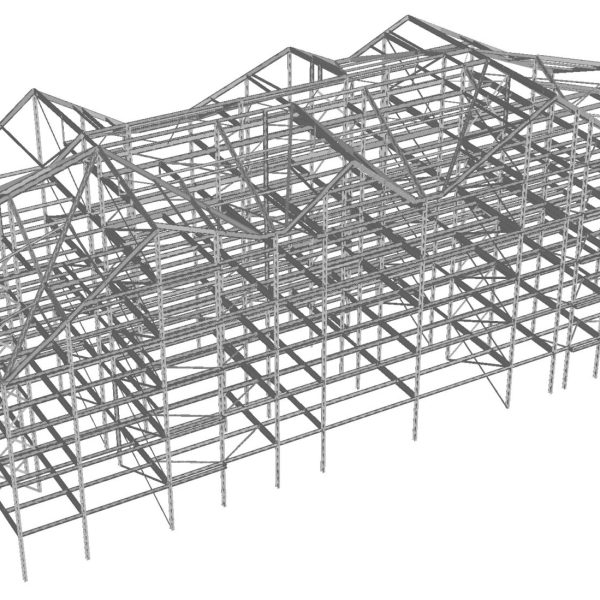
2D modelling analyses a structure in a single plane, ideal for simple frames and early design stages, while 3D modelling creates a full digital representation of the building and how all elements interact. 3D models provide greater accuracy, capture behaviour in all directions, and are essential for complex or multi-storey structures.
3D visualisation tools are widely adopted as they make designs more interactive, helping stakeholders interpret structural behaviour and improving collaboration throughout the design process.
The survey will be structured to suit the type, age and construction of the property or structure together with the clients’ requirements. The initial survey is typically of a visual nature carried out from ground floor level within all safe and accessible areas.
This is often followed by intrusive investigation which may include excavation and assessment of existing foundations, sampling and testing of building materials, close at hand inspection of structure at height via scaffold or mobile elevated work platforms.
A detailed structural report will then be prepared summarising the findings of all investigations and giving recommendations for remedial works or other.
The structural engineer working with the Architect will review the clients’ requirements and give initial feedback on the proposed alterations. Following this the engineer will typically carry out a visual survey of the building and structure where visible.
This survey is often supplemented with intrusive investigation which might include excavation and assessment of the existing foundations and ground conditions together with the removal of finishes to allow inspection of structural members or suspected defects.
Once the form and condition of the existing structure have been identified then the engineer can proceed with concept and detailed design which will satisfy The Building Regulations 2010 and allow the structural works to be completed by the builder.
A Principal Designer is a person or organisation appointed by the Client to manage the health and safety aspect during the pre-construction (design and planning) phase of the project.
Under both the CDM Regulations 2015 and The Building Safety Act (currently under review in Wales), the Client responsibilities include making suitable arrangements for project management, appointing competent duty holders like the Principal Designer and Principal Contractor, and ensuring cooperation and coordination between all parties involved.