

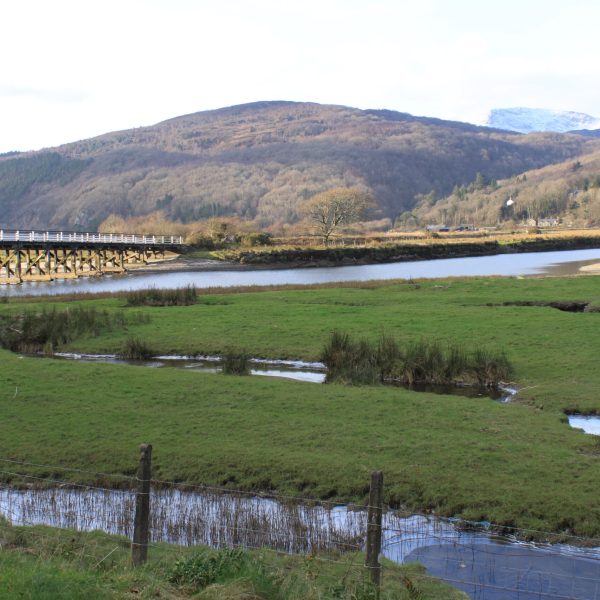
We produce detailed, site-specific FRA reports that address policy requirements, assess all relevant flood sources and provide clear evidence to support successful planning submissions.
We develop flood mitigation strategies and continuity plans to safeguard essential infrastructure, maintain operational capacity and ensure resilience during flood events.
We support developers in creating robust response frameworks, covering evacuation procedures, flood warning triggers and recovery strategies to minimise disruption and accelerate post-event restoration.
Waterco Datrys
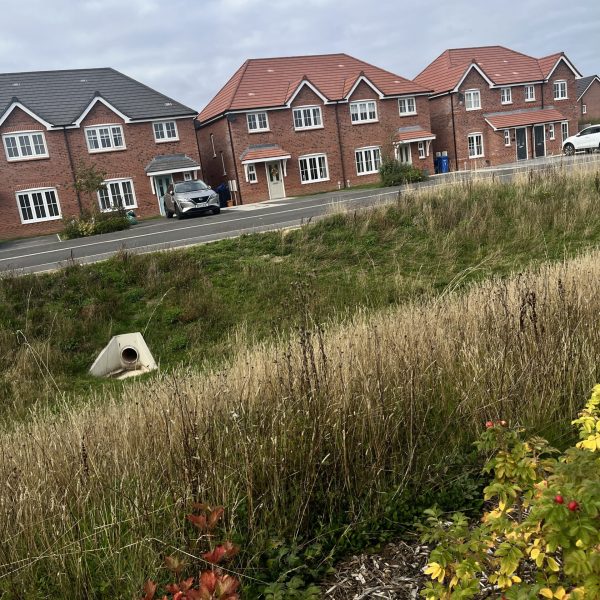
We provide full guidance through strategy development, detailed design, submission and liaison with the SAB to streamline approval and reduce programme risk.
Our drainage solutions are designed to meet Welsh Ministers’ mandatory standards for surface water management, ensuring robust and compliant outcomes.
Tailored attenuation, infiltration, conveyance and water-quality solutions that integrate seamlessly with proposed layouts and meet SAB expectations.
Proactive planning to address the approval timeframe, reduce delays and identify technical issues at pre-application stage.
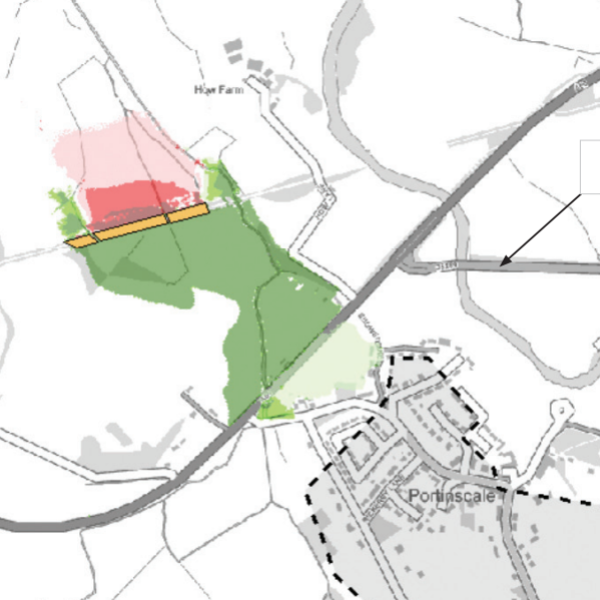
We assess river, coastal and overland flood pathways to understand site-specific risks.
We incorporate future rainfall and sea-level rise scenarios to ensure long-term resilience.
We provide detailed visualisations of flood extents, depths and velocities to guide safe and sustainable development.
Our team informs the placement and effectiveness of defences, drainage systems and resilience features.
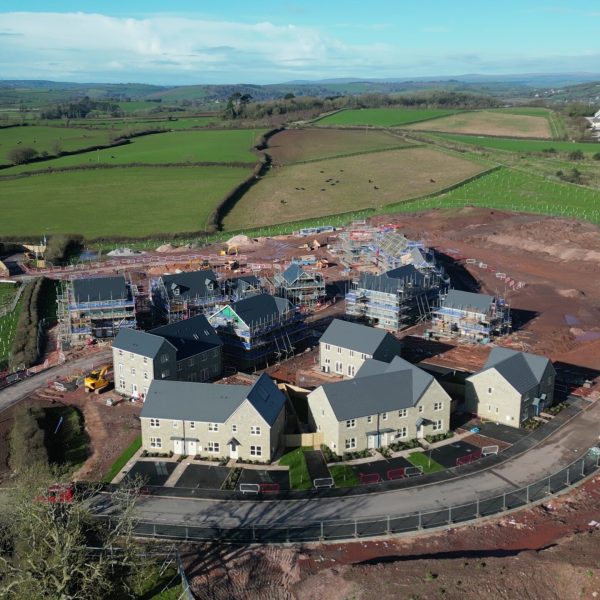
We carry out detailed breach analyses to assess how failures in flood defences could impact surrounding communities and infrastructure.
Overtopping Analysis: the Environment Agency (and UK counterparts) often require an overtopping or breach analysis to inform flood hazard mapping and support the planning process.
We produce clear hazard outputs that show how floodwaters may spread and intensify across an area. We assess how sudden bank failures could alter flow paths and increase local flood impacts.
We simulate how reservoir‑failure floodwaters move through the catchment and present clear 3D visuals showing how a breach forms and develops over time.
Our Work
Contact Us
A Flood Risk Assessment checks if a site is suitable for development by evaluating its risk of flooding. Requirements vary by region, but usually depend on the site’s location, size, and type of development. In England and Scotland, it’s called a Flood Risk Assessment; in Wales, it’s a Flood Consequence Assessment.
A Flood Risk Assessment is typically required when any of the following applies:
1. The site is over 1ha.
2. Can be classed as a major development.
3. Located in Flood Zone 2 or 3.
4. Drainage area is classed as critical.
A Drainage Strategy (SuDS report) is needed if your site is over 1ha, a major development (10+ units), in Flood Zone 2 or 3, in a critical drainage area, or if building a new structure.
Local planning authorities may request one to ensure your project complies with regulations and avoids future issues. Checking early helps prevent delays, and our team can guide you through the process.
In certain areas the LLFA, EA, SEPA or NRW may not hold sufficient information for your site to inform their decision on flood risk, flood sources and flood hazards. We can support your Flood Risk Assessment in-house with hydrology assessments and detailed hydraulic modelling.
Hydraulic modelling simulates how water behaves under changing conditions to assess flood risks. Using software such as MIKE FLOOD, Flood Modeller Pro, TUFLOW, and HEC-RAS, we predict flood depths, velocities, inundation rates, and hazard ratings. These insights inform UK flood maps and help clients develop effective flood management strategies.