

Waterco Datrys
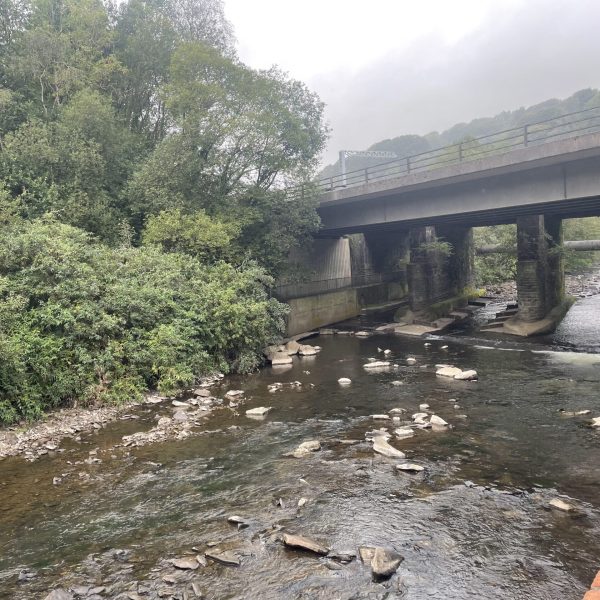
Our specialists conduct a desktop study to review environmental datasets, local plans and site conditions to identify potential environmental constraints and opportunities, which may influence project design or planning.
ES chapter focused on the water environment to support an EIA, assessing impacts on surface water, groundwater, flood risk and water quality and demonstrate compliance with relevant legislation.
Our team conduct an initial assessment / screening in relation to phosphate contributions from your development (including an assessment of existing foul drainage arrangement). The assessment identifies whether phosphate neutrality/betterment is achieved to demonstrate compliance with regulatory requirements.
The WFD sets out targets for achieving and maintaining the ecological and chemical “good status” of all waterbodies. Our team provides WFD compliance support by assessing potential impacts and implementing effective mitigation strategies to meet regulatory standards.
Waterco Datrys
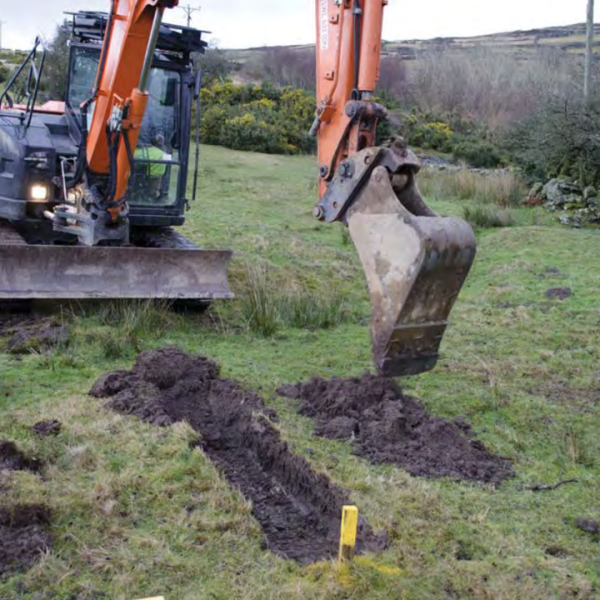
Our specialists review existing heritage records, historical documents, and maps, to understand the archaeological potential of your development area.
Our team conducts non-intrusive surveys (geophysical surveys) and targeted intrusive trenching to confirm the presence, nature and extent of any archaeological remains.
The significance of identified archaeological assets is determined and the potential impact of commercial development is assessed.
We develop and implement a strategy, often involving a Written Scheme of Investigation (WSI), which may include preservation in situ or supervised excavation and recording.
Waterco Datrys
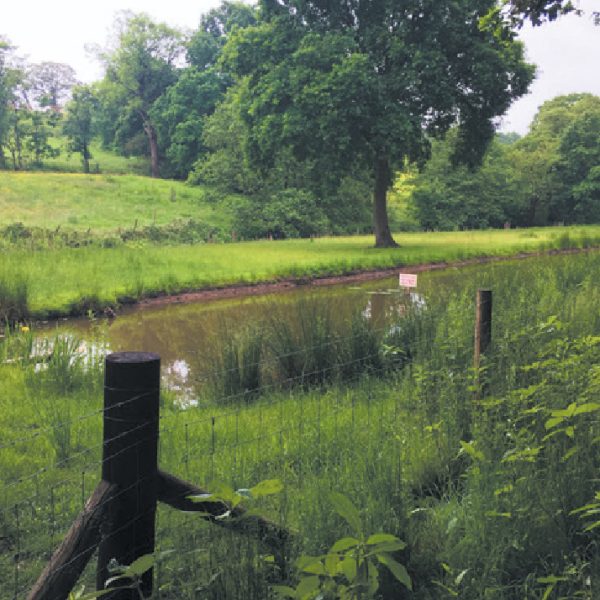
We assist with FRAP applications by reviewing proposed works, preparing the required technical documentation, and supporting engagement with regulators.
We assist with OWC applications by reviewing proposed works to ordinary watercourses, preparing the technical information and supporting engagement with the Lead Local Flood Authority.
We provide support with environmental permitting for water discharge activities, including preparation of technical information and liaison with regulators.
Support is provided through pre application assessment, preparation of applications and liaison with regulators to ensure compliance.
Waterco Datrys
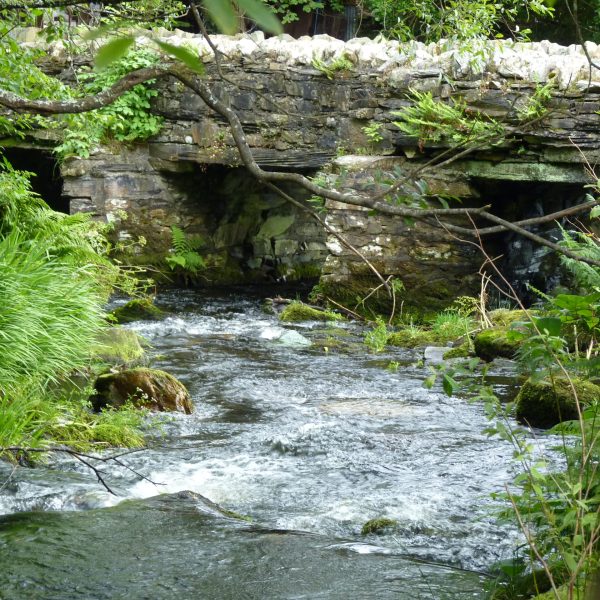
Our team can co-ordinate the input of specialists working with our in-house team to evaluate the ecological features and potential constraints to development.
Evaluation of habitat suitability and the potential for their presence, providing evidence to support planning and regulatory compliance
Our specialists use eDNA analysis to characterise your sites biodiversity, detecting species such as GCN, Water voles, Fish & Eels, Crayfish and Otters.
Preliminary surveys using bat detectors are undertaken to assess potential bat activity. Where evidence of bats is detected, further specialist ecological input can be coordinated.
Our Work
Contact Us
A Flood Risk Assessment checks if a site is suitable for development by evaluating its risk of flooding. Requirements vary by region, but usually depend on the site’s location, size, and type of development. In England and Scotland, it’s called a Flood Risk Assessment; in Wales, it’s a Flood Consequence Assessment.
A Flood Risk Assessment is typically required when any of the following applies:
1. The site is over 1ha.
2. Can be classed as a major development.
3. Located in Flood Zone 2 or 3.
4. Drainage area is classed as critical.
A Drainage Strategy (SuDS report) is needed if your site is over 1ha, a major development (10+ units), in Flood Zone 2 or 3, in a critical drainage area, or if building a new structure.
Local planning authorities may request one to ensure your project complies with regulations and avoids future issues. Checking early helps prevent delays, and our team can guide you through the process.
In certain areas the LLFA, EA, SEPA or NRW may not hold sufficient information for your site to inform their decision on flood risk, flood sources and flood hazards. We can support your Flood Risk Assessment in-house with hydrology assessments and detailed hydraulic modelling.
Hydraulic modelling simulates how water behaves under changing conditions to assess flood risks. Using software such as MIKE FLOOD, Flood Modeller Pro, TUFLOW, and HEC-RAS, we predict flood depths, velocities, inundation rates, and hazard ratings. These insights inform UK flood maps and help clients develop effective flood management strategies.