

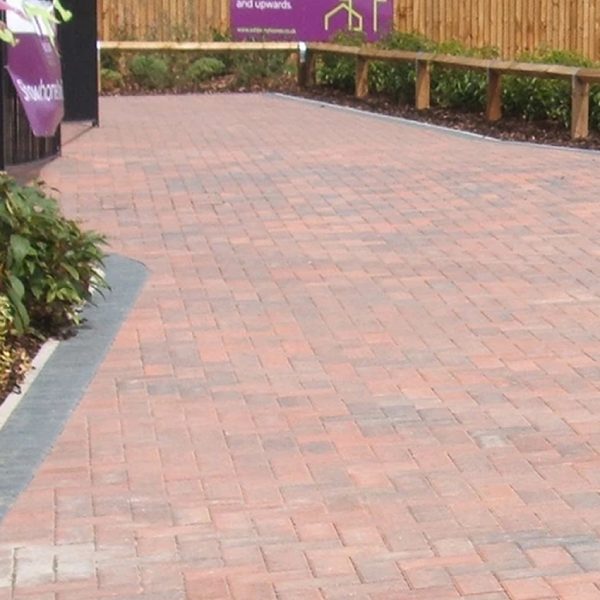
Waterco Datrys
Waterco provides independent technical audits of drainage designs prepared by others, giving clients a trusted second opinion that highlights potential improvements. This ensures compliance and can often identify cost‑saving opportunities.
With extensive design expertise, our experienced engineers scrutinise submitted schemes in detail, offering reassurance that drainage solutions are practical, efficient, and meet regulatory standards.
Under Schedule 3 of the Flood & Water Management Act, all new developments in Wales must secure SuDS approval alongside planning consent. This makes compliance a critical step in the development process.
We advise on the most appropriate SuDS solutions for each site, considering ground infiltration and stability to ensure designs are sustainable, effective, and aligned with local authority requirements.
Waterco Datrys
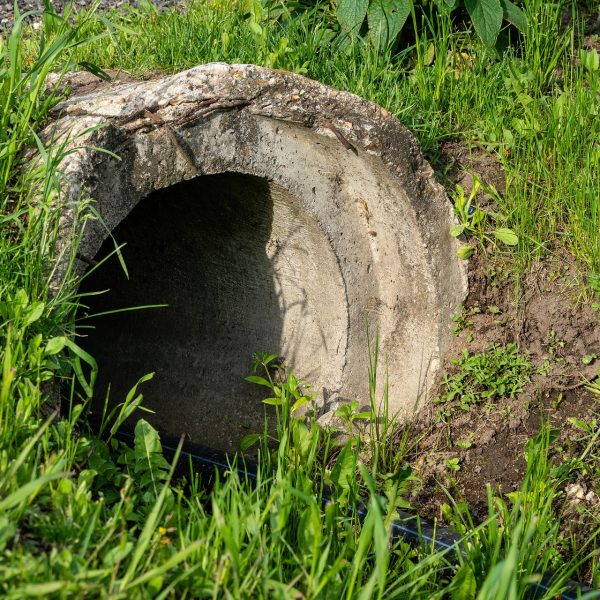
We incorporate soakaway suitability, rainwater harvesting, flow control, oil interception, adoption liaison, and full discharge specifications.
Our expertise covers discharges to watercourses, outfall structures, and integration with headwalls and culverts.
We liaise with drainage authorities, NRW, SEPA, and the Environment Agency, challenging restrictions that are unreasonable or inappropriate.
Using advanced computer modelling, we have successfully reduced excessive discharge rates and storage requirements, saving developers thousands of pounds.
Waterco Datrys
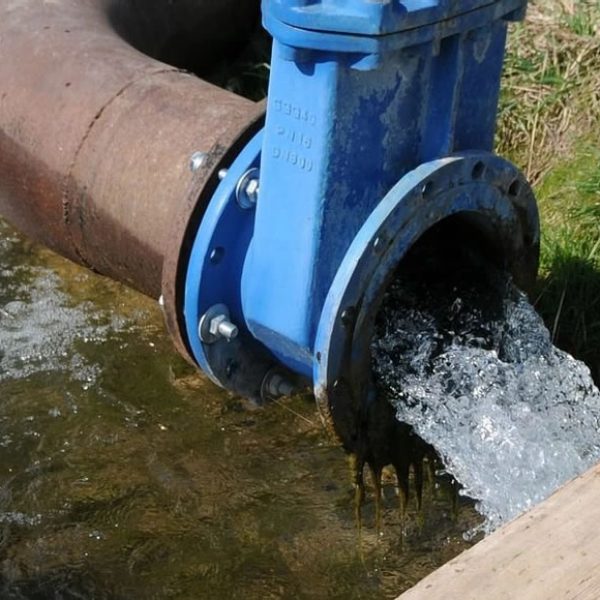
We design accurate pipe specifications and layouts to ensure efficient drainage flow. Connections to existing sewerage systems are planned to minimise disruption and guarantee compatibility with local infrastructure.
Our team develops safe and compliant links to private drainage networks. This ensures developments integrate seamlessly with non-public systems while meeting technical and environmental requirements.
We assess the suitability of septic tanks, package treatment plants, or pumping stations for each site. Recommendations are based on capacity, environmental impact and long-term sustainability.
We manage S185 sewer diversions and coordinate directly with Sewerage Operators and local environment agencies. Our service also covers Section 104 and Section 106 applications, ensuring all statutory approvals are secured efficiently.
Waterco Datrys
We review drainage records and advise on percolation test methods under Building Regulation Part H.
We assess test results to confirm soakaway suitability and calculate run‑off where they are not viable.
We measure pre‑ and post‑development run‑off and recommend options such as infiltration, recycling, or discharge.
We submit developer enquiries and propose drainage solutions, consulting with all relevant authorities.
Our Work
Contact Us
A Flood Risk Assessment checks if a site is suitable for development by evaluating its risk of flooding. Requirements vary by region, but usually depend on the site’s location, size, and type of development. In England and Scotland, it’s called a Flood Risk Assessment; in Wales, it’s a Flood Consequence Assessment.
A Flood Risk Assessment is typically required when any of the following applies:
1. The site is over 1ha.
2. Can be classed as a major development.
3. Located in Flood Zone 2 or 3.
4. Drainage area is classed as critical.
A Drainage Strategy (SuDS report) is needed if your site is over 1ha, a major development (10+ units), in Flood Zone 2 or 3, in a critical drainage area, or if building a new structure.
Local planning authorities may request one to ensure your project complies with regulations and avoids future issues. Checking early helps prevent delays, and our team can guide you through the process.
In certain areas the LLFA, EA, SEPA or NRW may not hold sufficient information for your site to inform their decision on flood risk, flood sources and flood hazards. We can support your Flood Risk Assessment in-house with hydrology assessments and detailed hydraulic modelling.
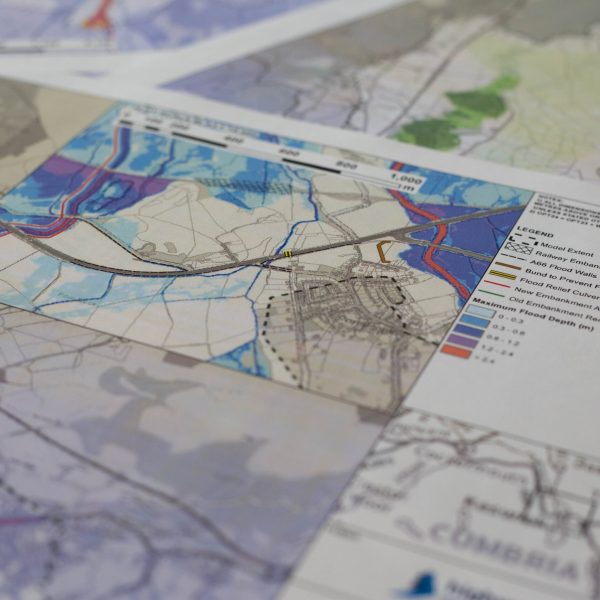
Hydraulic modelling simulates how water behaves under changing conditions to assess flood risks. Using software such as MIKE FLOOD, Flood Modeller Pro, TUFLOW, and HEC-RAS, we predict flood depths, velocities, inundation rates, and hazard ratings. These insights inform UK flood maps and help clients develop effective flood management strategies.