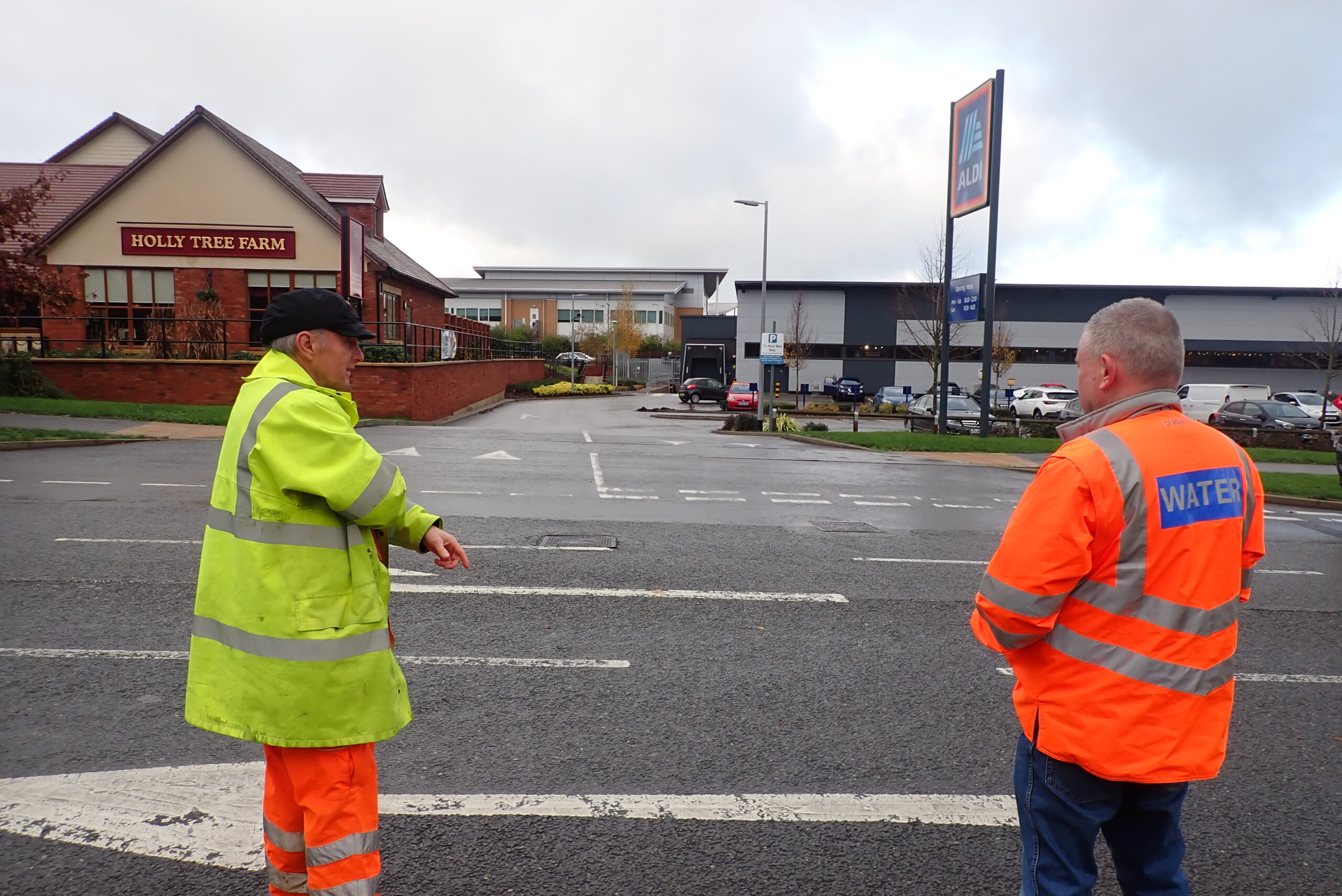
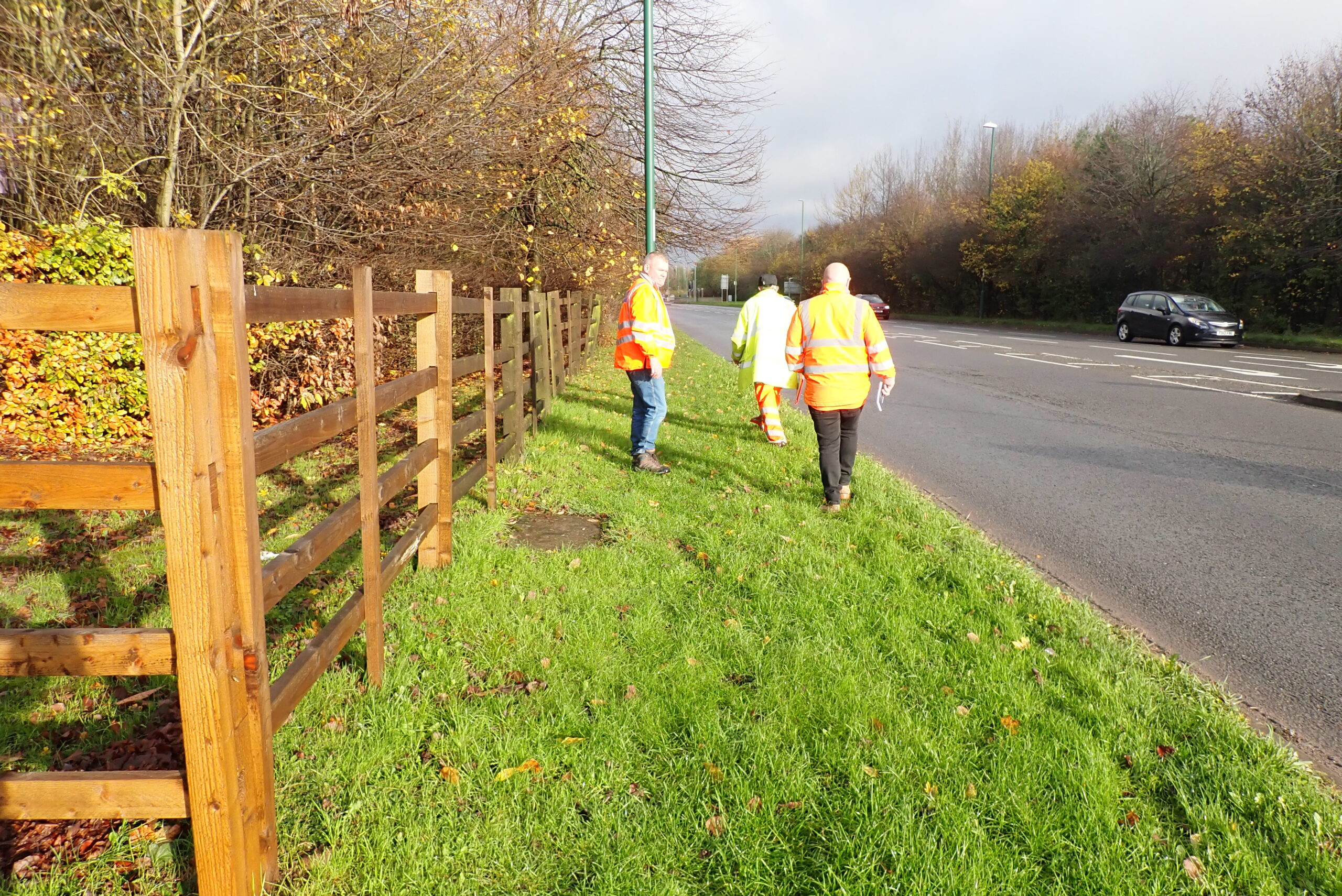
The Strelley to Redhill Pipeline project aimed to transfer up to 40 million litres per day (Ml/d) of water from the Derwent Valley Aqueduct (DVA) at Strelley to Redhill service reservoir, replacing supply from existing boreholes.
A feasibility study initially assessed options for transferring flow to Redhill and was later expanded to consider the Green Recovery scheme, targeting further reductions in borehole abstractions.
Client
Severn Trent Water
Sector/ Project Type
Water Companies - Main Diversion
Date
2023
Location
Nottinghamshire
Our Approach
In the feasibility study, the design team evaluated 7 route options and three pipe sizes, using desktop studies, hydraulic modelling, surveys, and stakeholder consultations to optimise routes and minimise disruption. An 800mm diameter pipeline was identified as the best option and a 15.7 km route which avoids major highways, reduces traffic disruption, and maximises opportunities for future cross connections.
The commissioning stage focused on robust planning and risk mitigation. The design considered hydraulic requirements, pressure management, and operational flexibility. Key elements included gravity-fed flow from the DVA, cross-connections to existing infrastructure, and the use of both open cut and trenchless installation methods.
The plan emphasised minimising disruption to public water supplies and ensuring all connections could be made within allowable shutdown periods. Early engagement with stakeholders and careful sequencing of works were critical.
The Solutions
The project involved detailed planning for each pipeline connection, including isolation strategies, manifold designs at Redhill, and alternative supply arrangements during works.
Testing and commissioning followed CESWI and Severn Trent Water specifications, with sections tested individually and “golden joint” inspections to ensure integrity. Water sourcing was optimized using multiple supply points.
Project Outcome
A clear framework was established for safe, efficient commissioning of a major new pipeline, addressing technical, operational, and environmental challenges to ensure the infrastructure could be integrated without service disruption.
The plan set the stage for successful delivery in the detailed design and construction phases, supporting long-term water supply resilience for the region.