Dwr Cymru Welsh Water

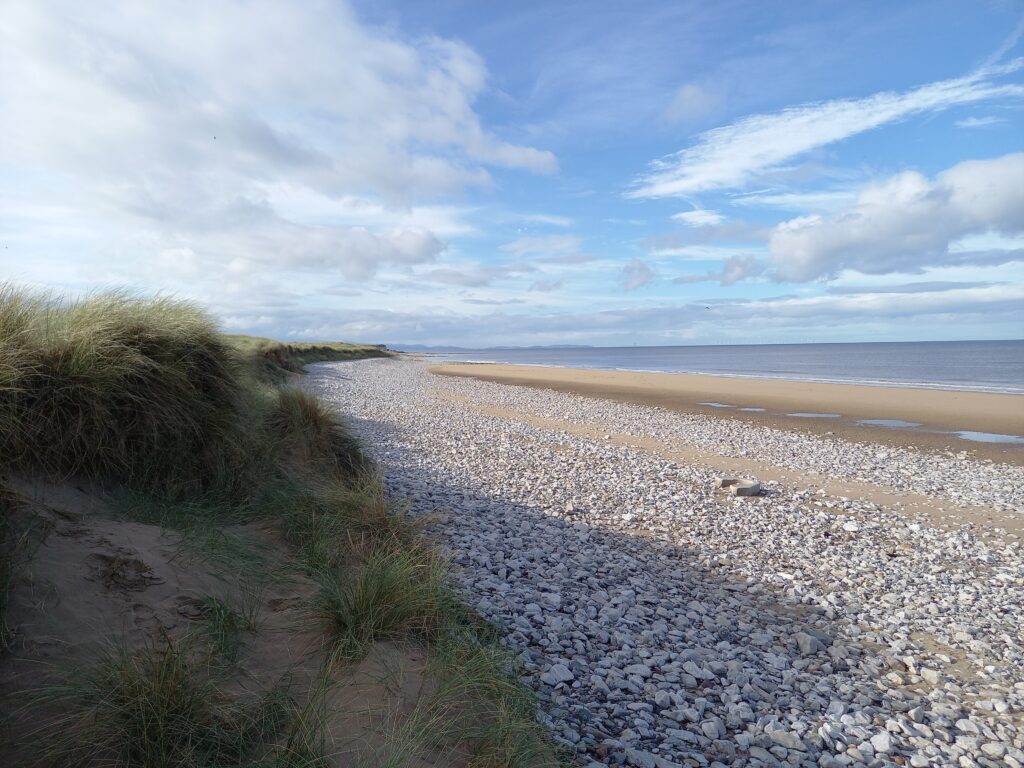
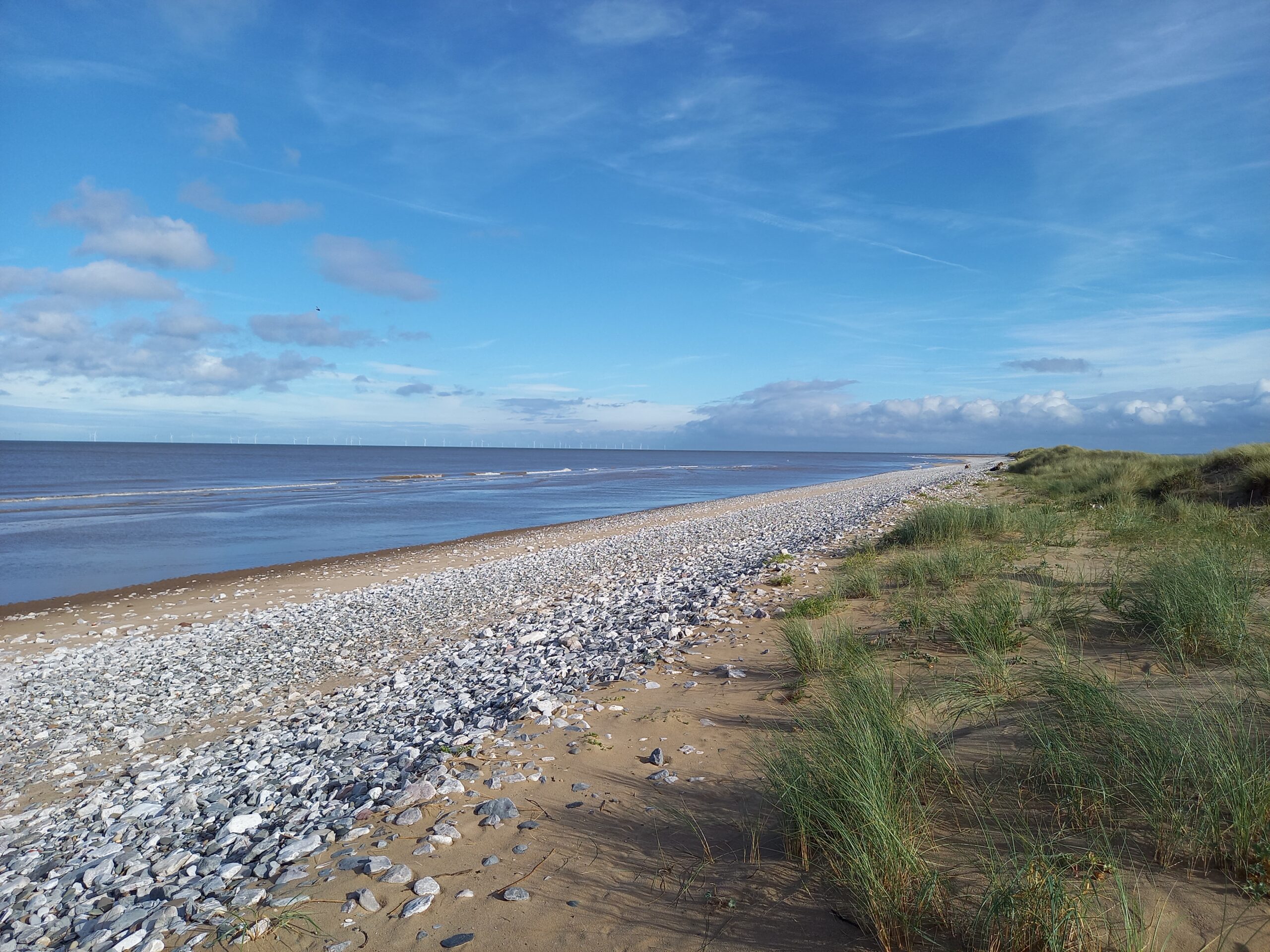
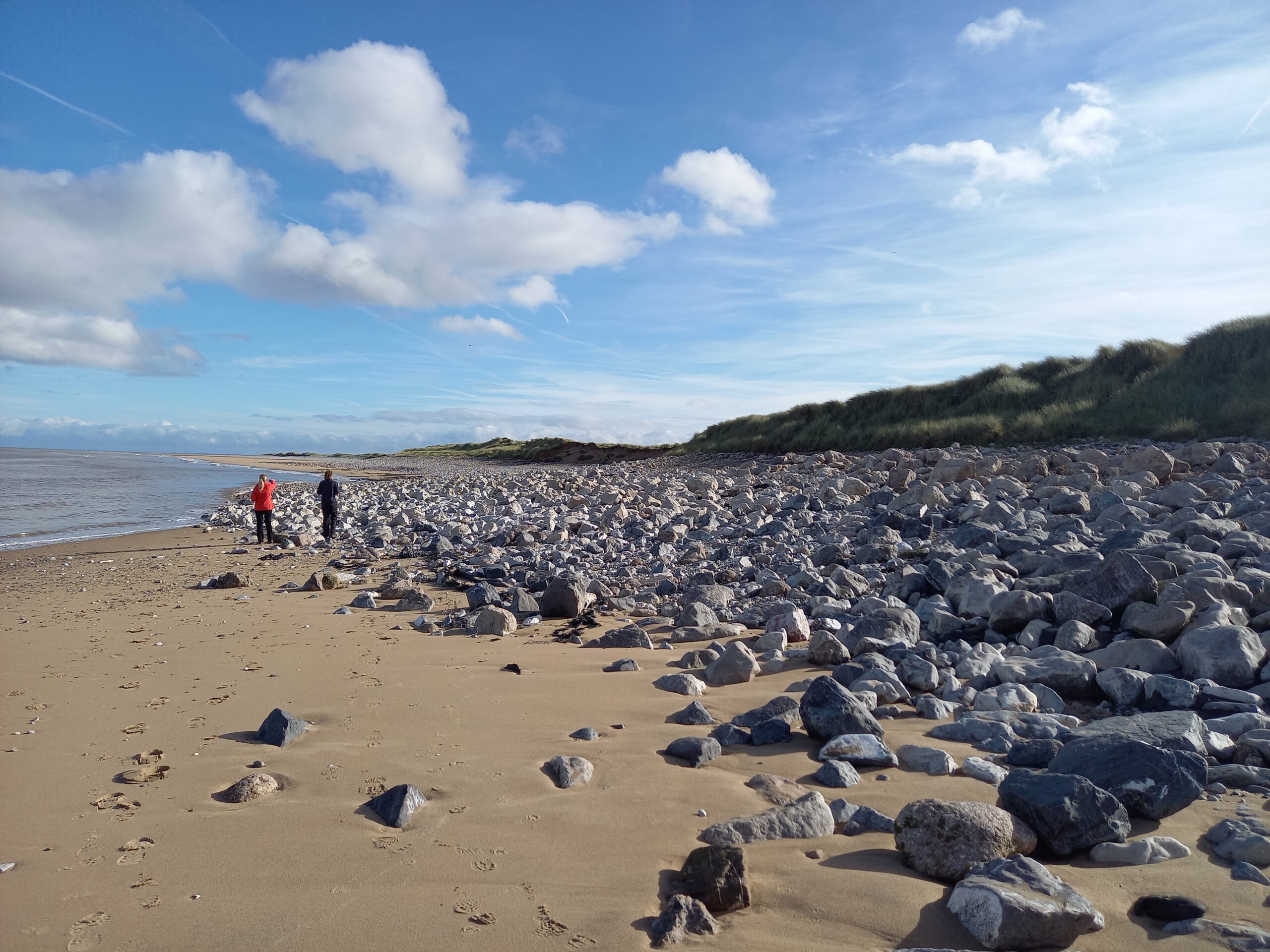
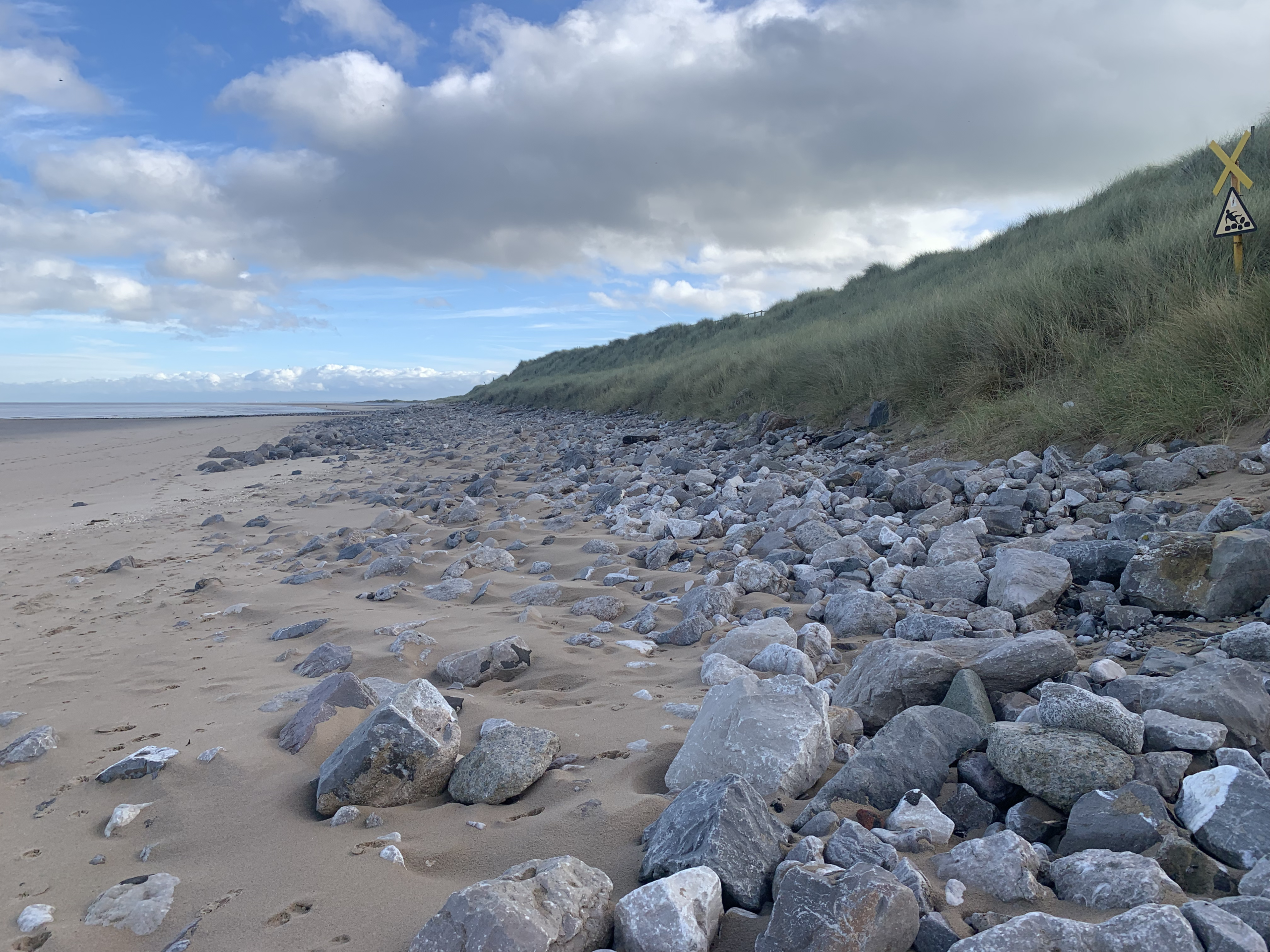
Gronant, Sand Dune Assessment

Introduction

Waterco Datrys prepared a Strategic Outline Case (SOC) for the Gronant Sand Dunes system, following Welsh Government Flood and Coastal Erosion Risk Management (FCERM) guidance and the Five Case Model. The SOC addresses current and future erosion and flood risks, aiming to protect people, property, infrastructure, and biodiversity.

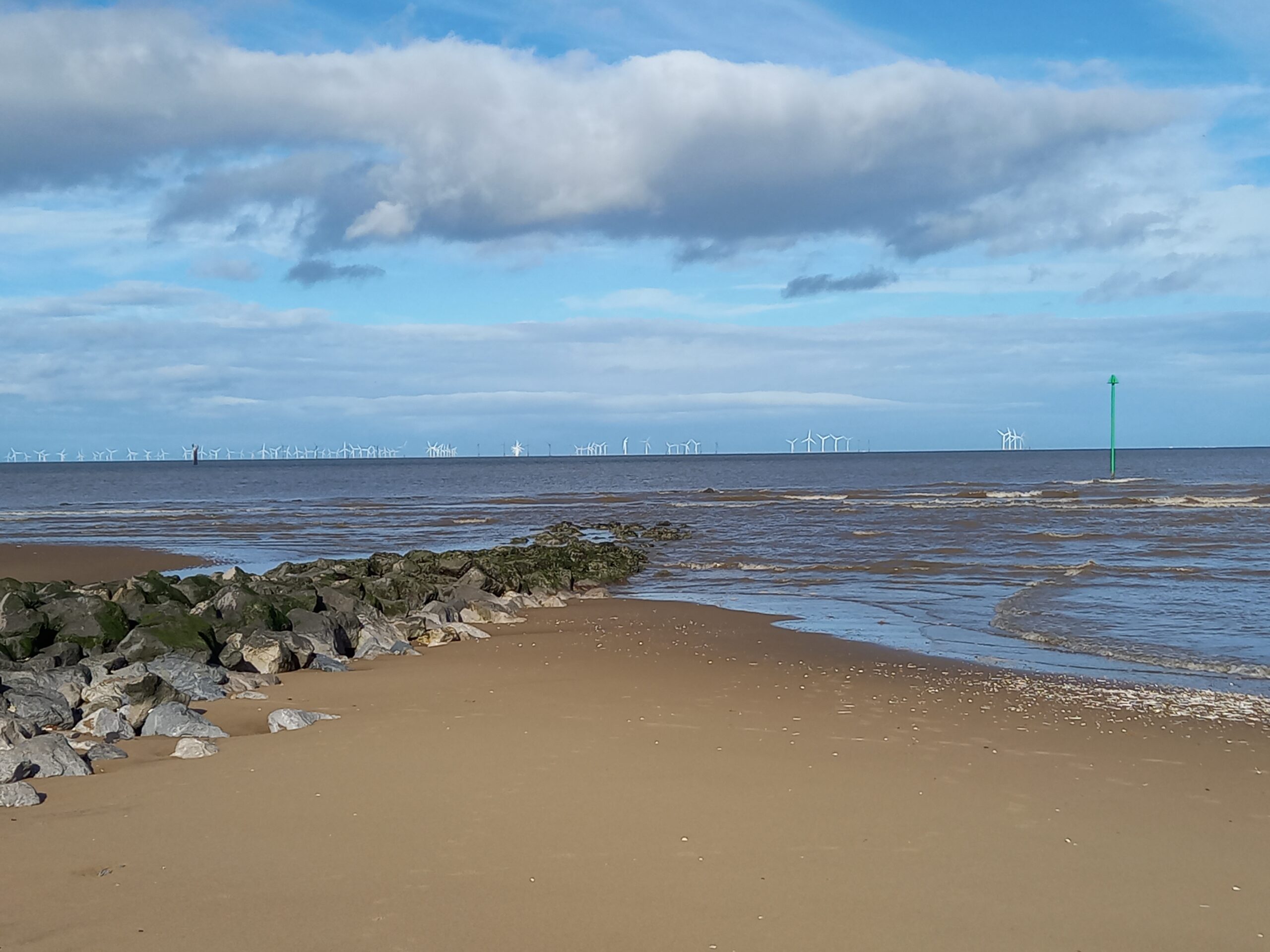
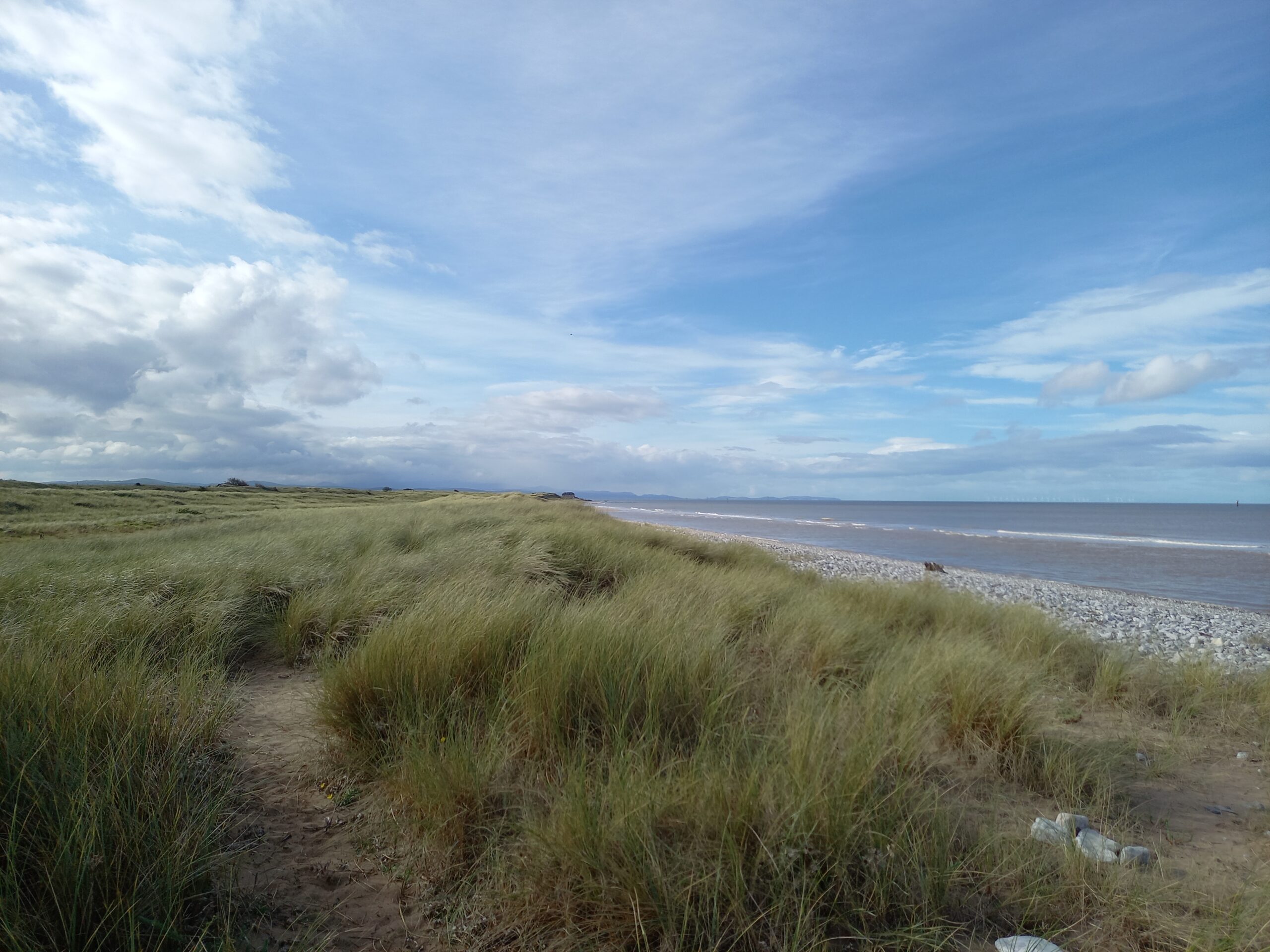
The coastline faces repeated storm impacts and sediment loss, with major events in 1990, 2013 and Storm Pierrick (April 2024). Narrow dunes, coastal squeeze and rising sea levels heighten breach and overtopping risks, especially between Barkby and Gronant where land lies below the predicted 200-year storm level. Policy context from SMP2 (sub-cell 11a4) sets Managed Realignment for Barkby Beach to Point of Ayr and Hold the Line for adjacent unit 4:3, allowing natural dune evolution with limited interventions.

The area includes multiple designations (SSSI, SPA, SAC, Ramsar) and protected species such as little tern, sand lizard, and natterjack toad, making biodiversity enhancement a core objective.

Client

Dwr Cymru Welsh Water

Project Type

Capital Project Delivery

Date

2024-25

Location

Prestatyn

Our Approach

The SOC establishes a clear case for change, investment objectives, and critical success factors (CSFs), including reducing erosion/flood risk and delivering environmental benefits aligned with the Water Framework Directive. Evidence gathering involved desk studies, site visits, and stakeholder engagement with DCC, NRW, DCWW, and NGOs. Two appraisal workshops refined objectives and shortlisted options for further modelling.

Using an Options Framework Filter, 21 measures were screened for feasibility, cost, environmental impact, and SMP2 compliance. The economic case prioritises a viable benefit–cost ratio (BCR) while meeting CSFs such as strategic fit, value for money, and affordability.

Shortlisted Solutions

Three “Do Something” options will progress to Outline Business Case (OBC) modelling:

Business as Usual + Minor Works (£≤100k every five years): dune repairs, rock armour, fencing, marram planting, and boardwalk extensions.

Secondary Defences: set-back structures behind dunes to provide resilience if foredunes fail.

Offshore Rock-Armour Islands (with/without beach nourishment): dissipate wave energy, encourage accretion, and widen the beach.

At OBC, these options will undergo hydraulic modelling and economic appraisal to select a preferred solution for Detailed Design/FBC. Construction is targeted for 2028/29, with Welsh Government funding up to 85% of costs and DCC managing long-term assets.

Our Work

Case Studies