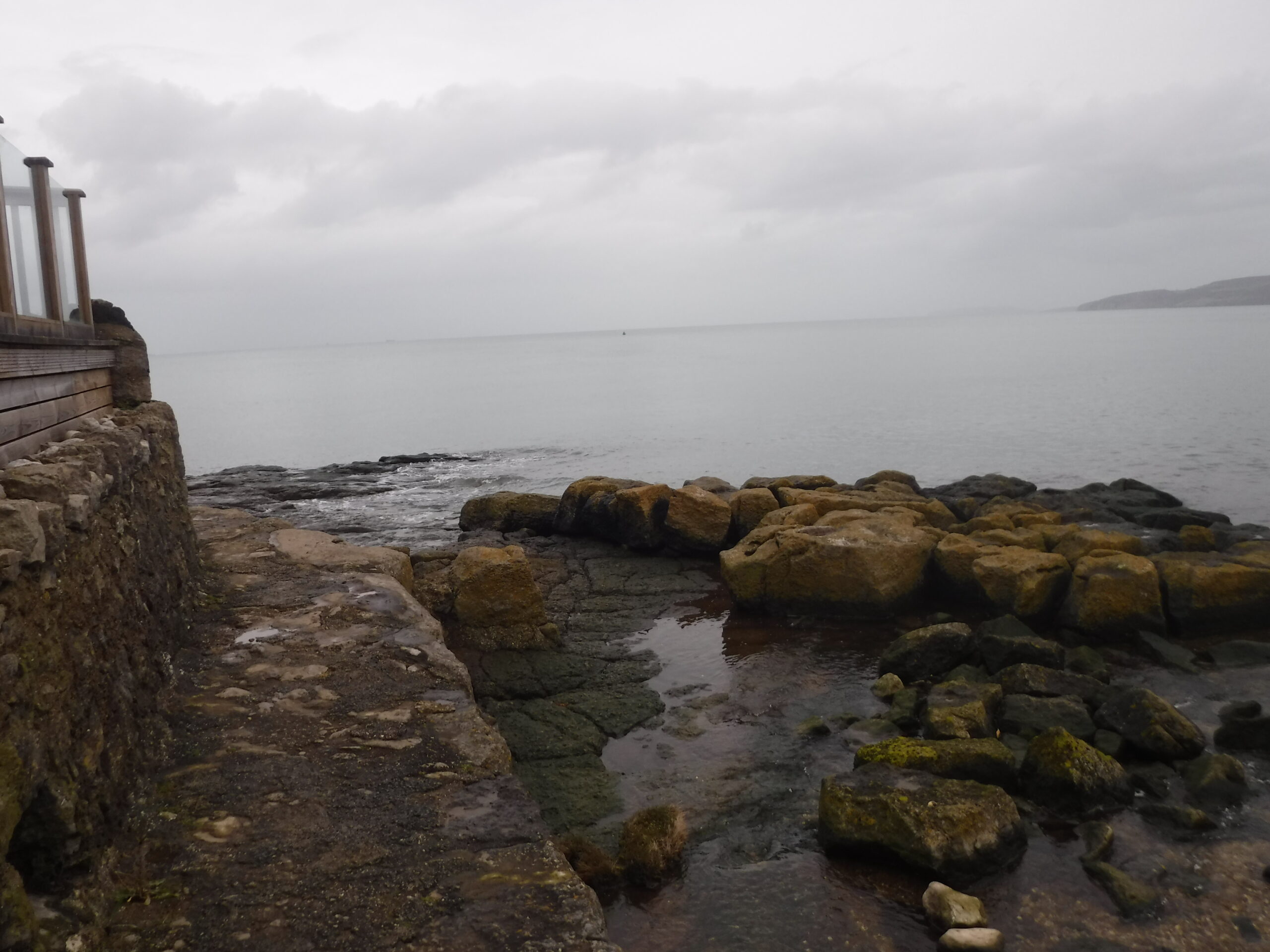
The Benllech Flood Alleviation Scheme, commissioned by Isle of Anglesey County Council (IoACC), addresses recurring fluvial flooding in Benllech, Anglesey.
Residential and commercial properties have suffered due to the constraints within the existing culvert network, including a collapsed culvert, prompting IoACC to secure Welsh Government funding for an Outline Business Case (OBC) to identify sustainable flood risk reduction measures.
Technical: Improved culvert capacity reduces local flooding risk.
Community: Enhances community resilience and well being during heavy rainfall.
Environment: Supports biodiversity and improves local water quality.
Client
Isle of Anglesey County Council (IoACC)
Project Type
Outline Business Case (OBC)
Date
2025
Location
Anglesey
Our Approach
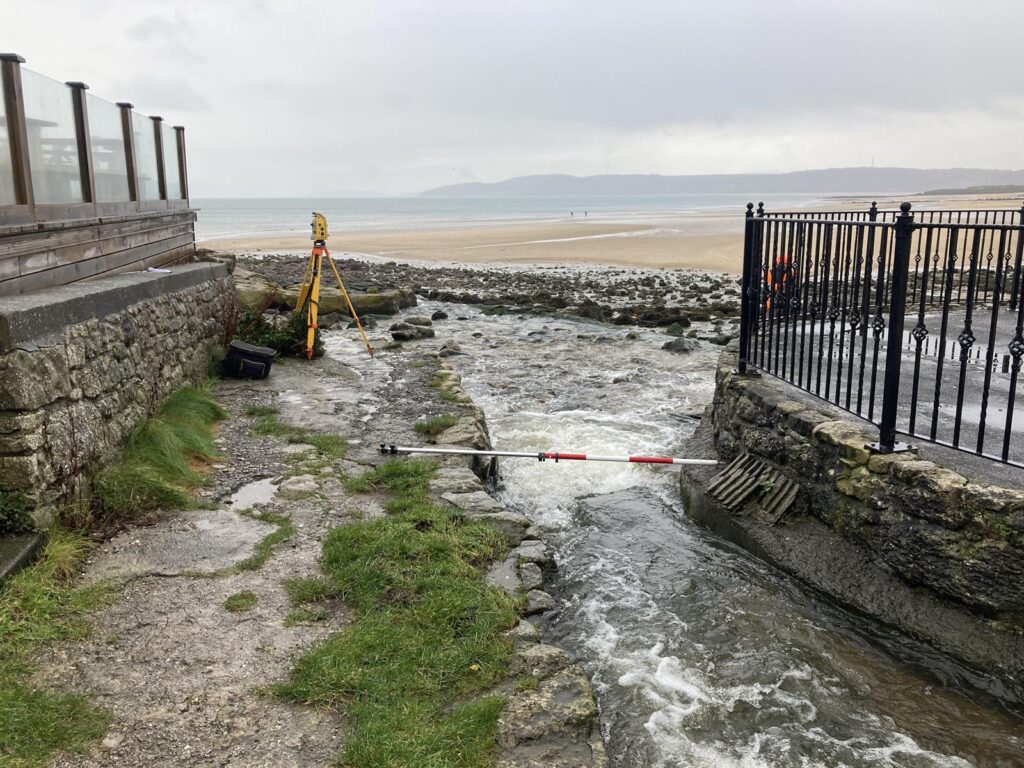
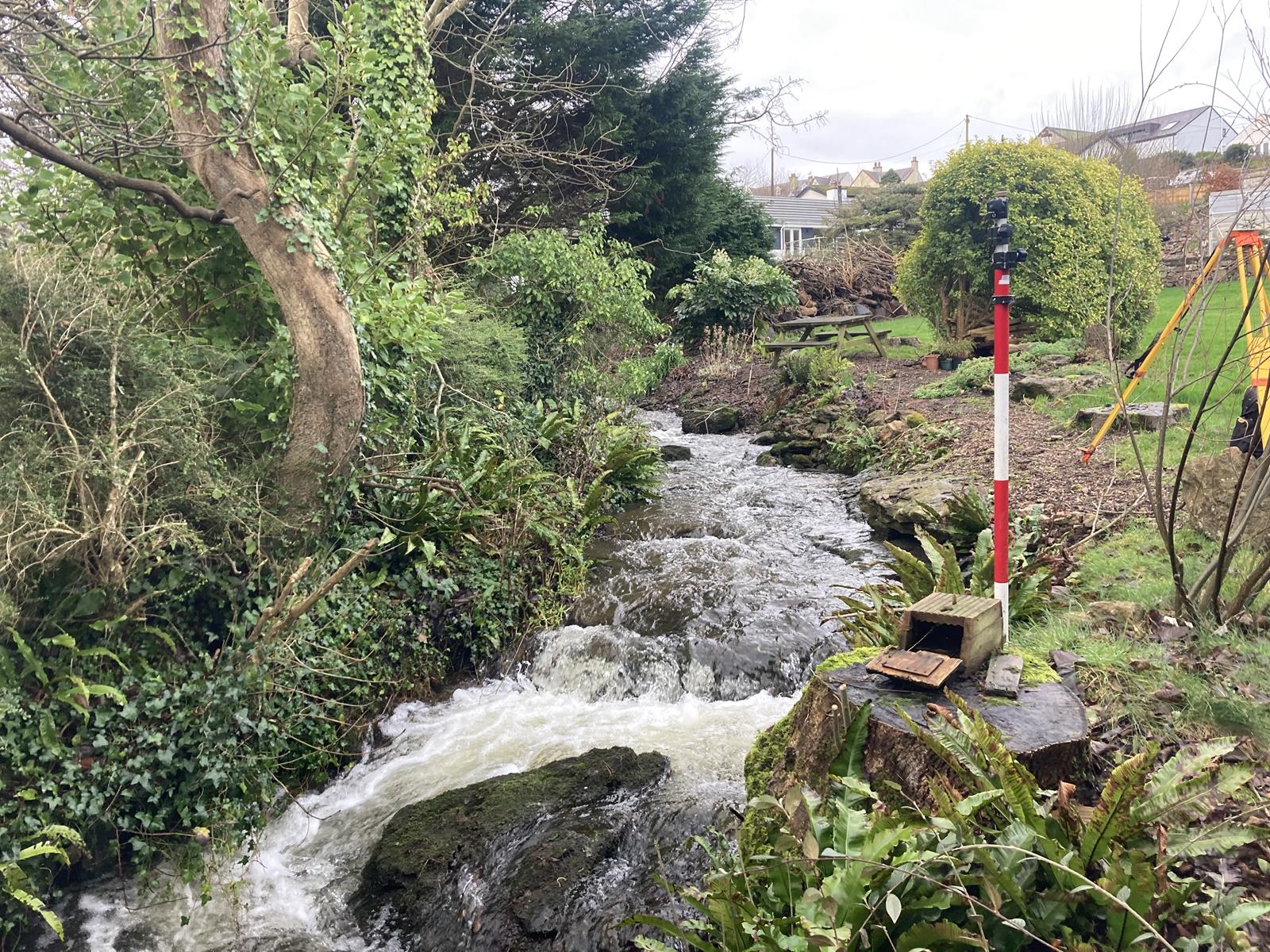
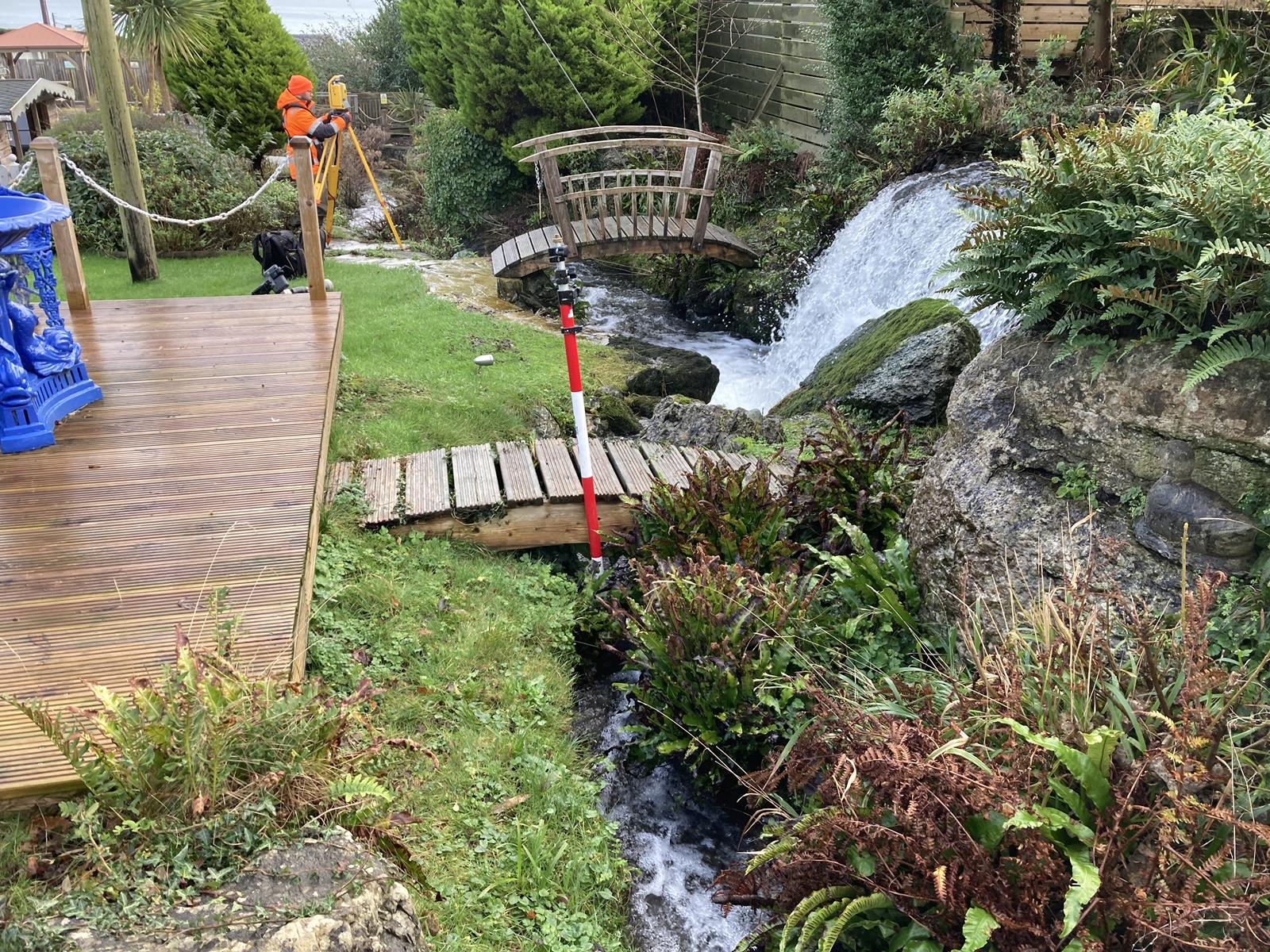
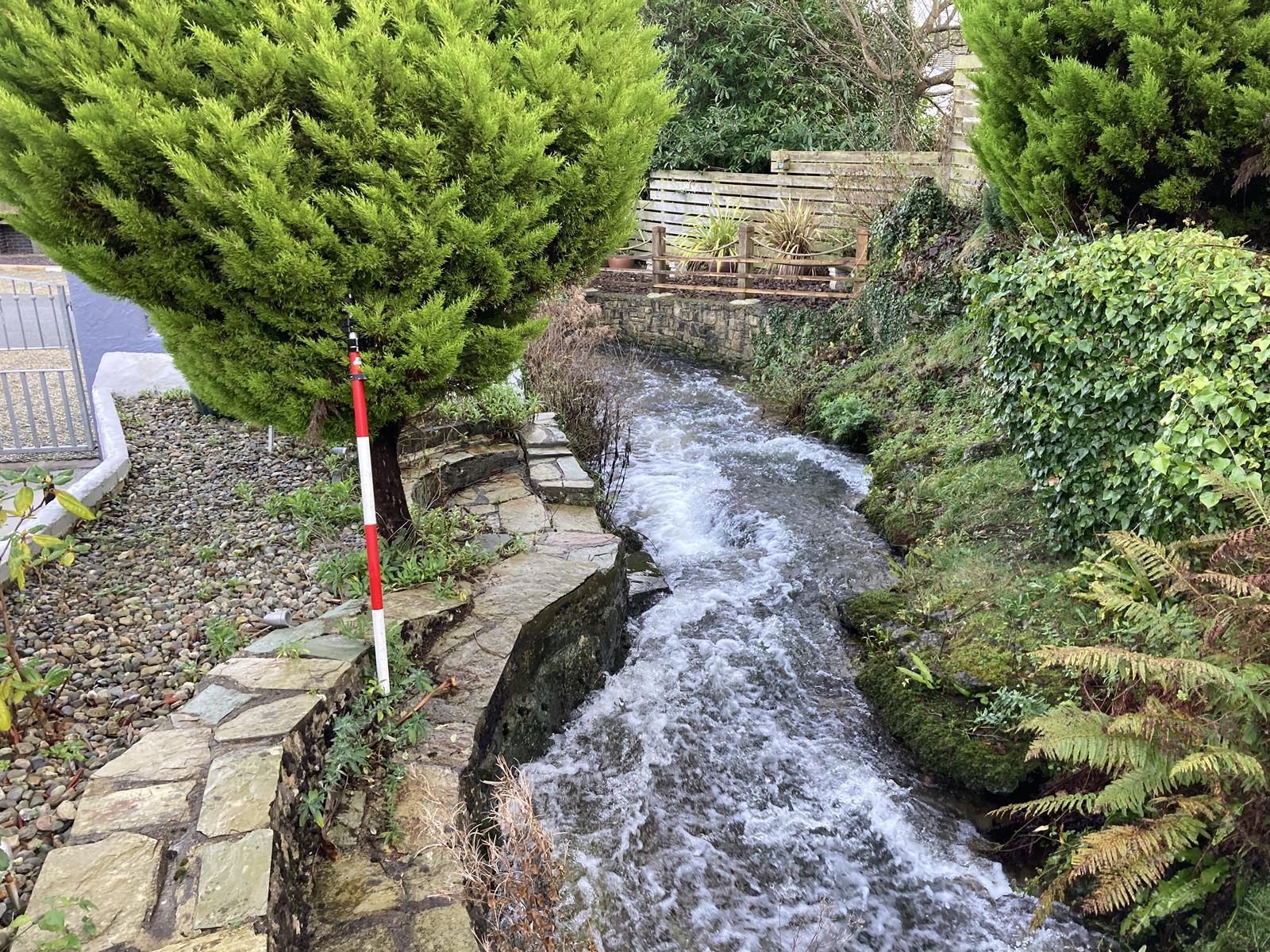
Waterco Datrys adopted the Welsh Government’s Five Case Model, integrating strategic, economic, commercial, financial, and management perspectives. The approach involved extensive stakeholder engagement, site walkovers, and hydraulic modelling to understand flood mechanisms and evaluate intervention options.
A long list of 13 measures was qualitatively and quantitatively assessed, considering constructability, cost, environmental impact, and alignment with investment objectives and critical success factors.
The Solutions
Following rigorous appraisal, five measures were shortlisted, leading to three hybrid “Do Something” options. The preferred solution includes rehabilitation of the culvert network at Craigle, culverting open channels at Glandwr, upsizing culverts north of Pant y Briallu, and widening channels behind key properties.
This option demonstrated the highest benefit-cost ratio (BCR 1.07), resilience to change, and significant reduction in flood risk.
Project Outcome
The project is recommended for progression to Full Business Case and detailed design. The scheme promises improved flood protection, enhanced community resilience, and alignment with the Well-being of Future Generations Act.
Wider benefits include potential reductions in insurance premiums, lower emergency response costs, and improved local biodiversity. Ongoing stakeholder engagement and further modelling will refine the solution and ensure successful delivery