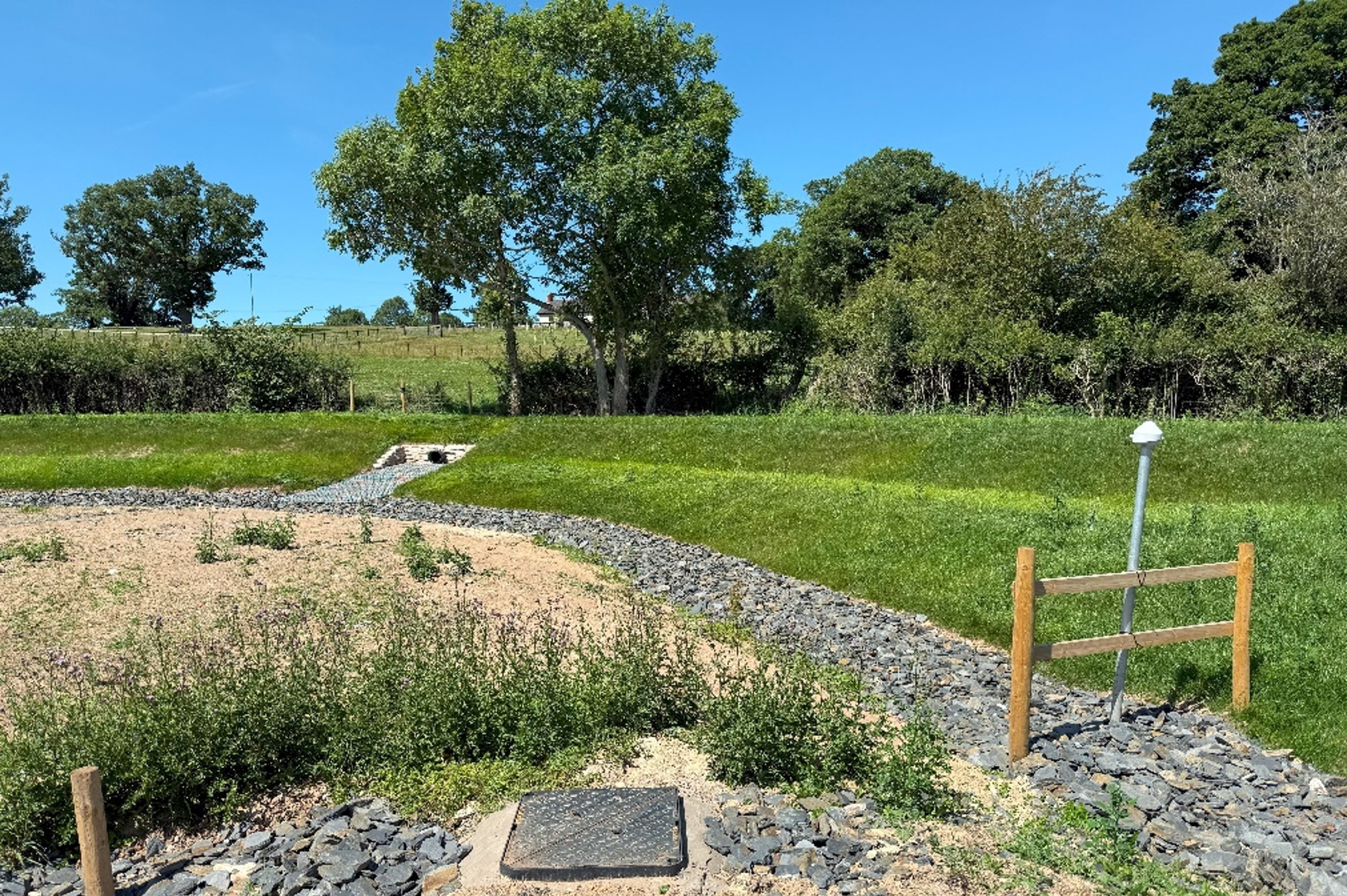
As part of Denbighshire County Council’s Natural Flood Management (NFM) Accelerator Programme, three “quick‑win” sites at Llysfasi were brought forward to demonstrate practical, low‑risk NFM measures while longer‑lead schemes faced funding and landowner delays.
The land, owned by Coleg Cambria, enabled smoother engagement and delivery. Monitoring across the sites began in 2025 and will run for five years to track hydrological response and biodiversity outcomes.
Client
Denbighshire County Council (DCC)
Project Type
Natural Flood Management (NFM)
Date
2025
Location
Llysfasi
Our Approach
We targeted parcels with limited agricultural value, combining rapid implementation with robust evidence gathering. Engagement with Coleg Cambria reduced negotiation complexity and avoided income loss for landowners.
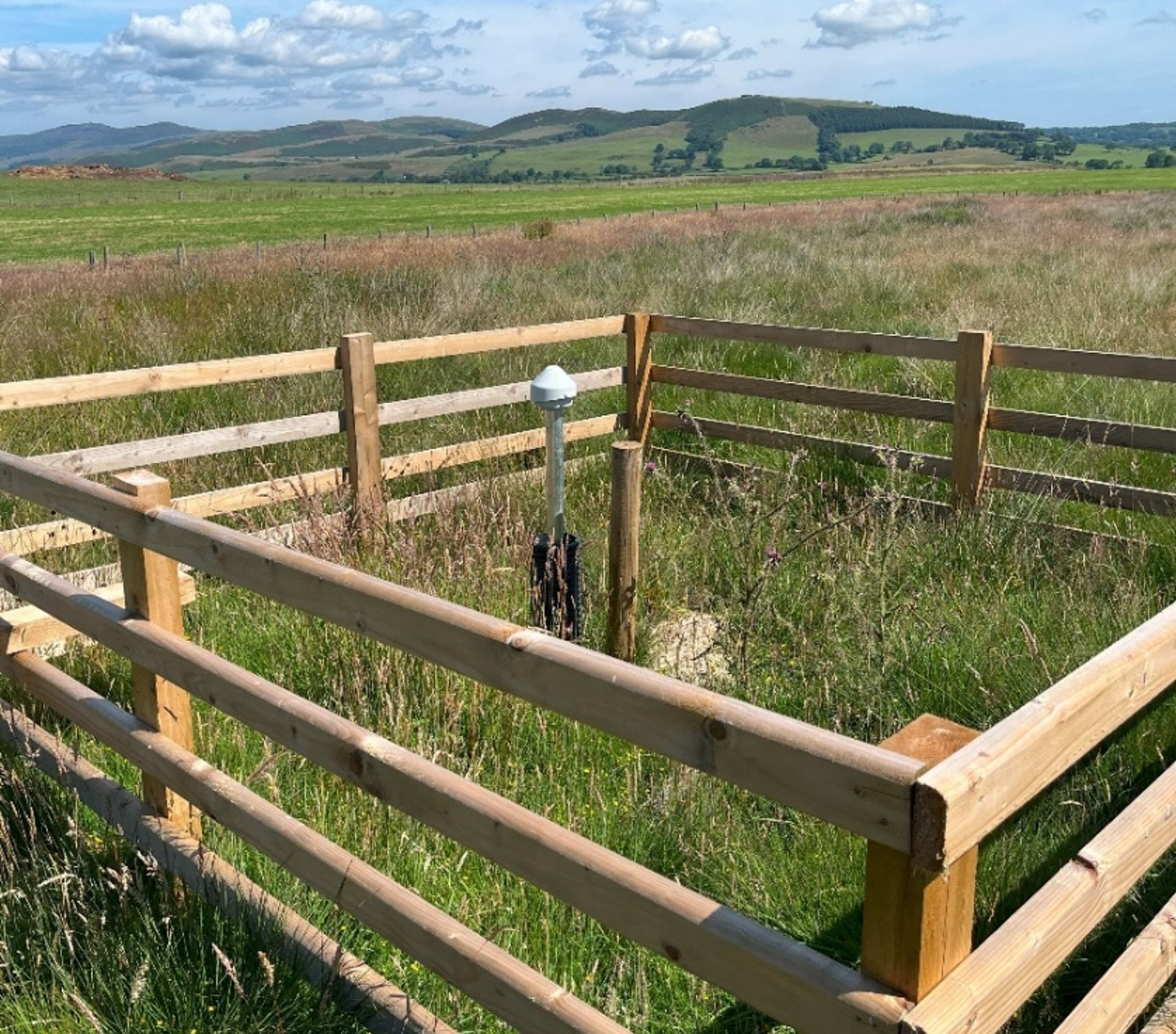
We deployed cost‑effective monitoring wildlife cameras, low‑cost sensors, piezometers, and telemetered groundwater loggers to generate continuous data and public interest.
We also established quarterly water‑quality sampling for three years to assess nutrients and other parameters, recognising drought‑related variability
The Solutions
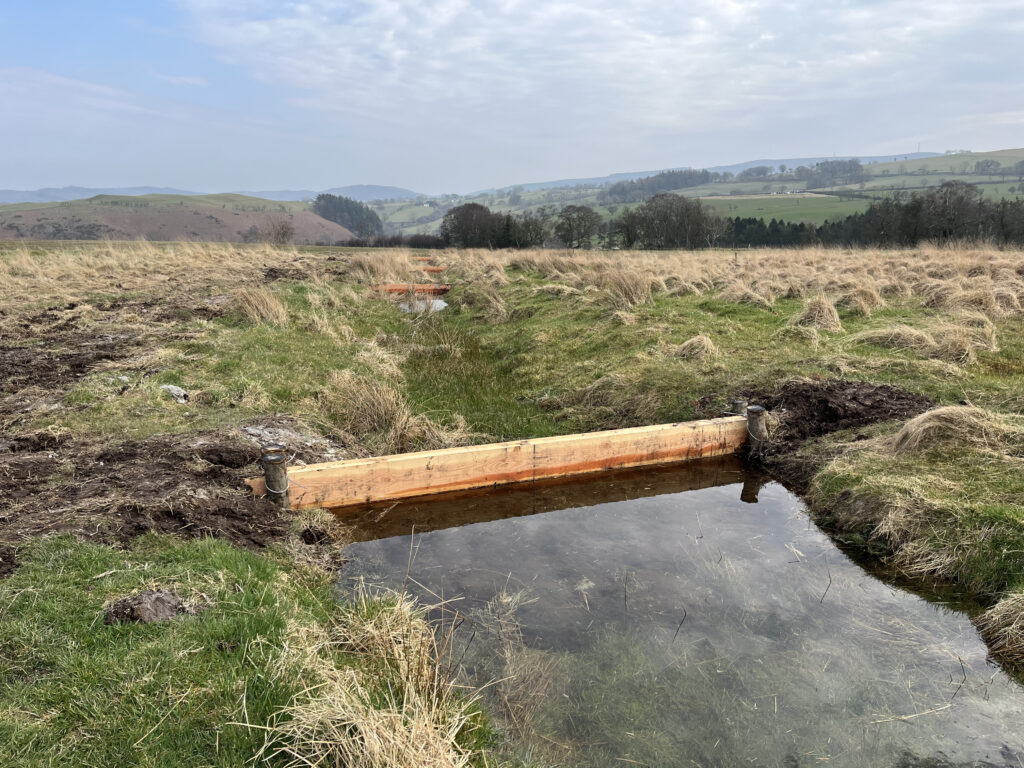
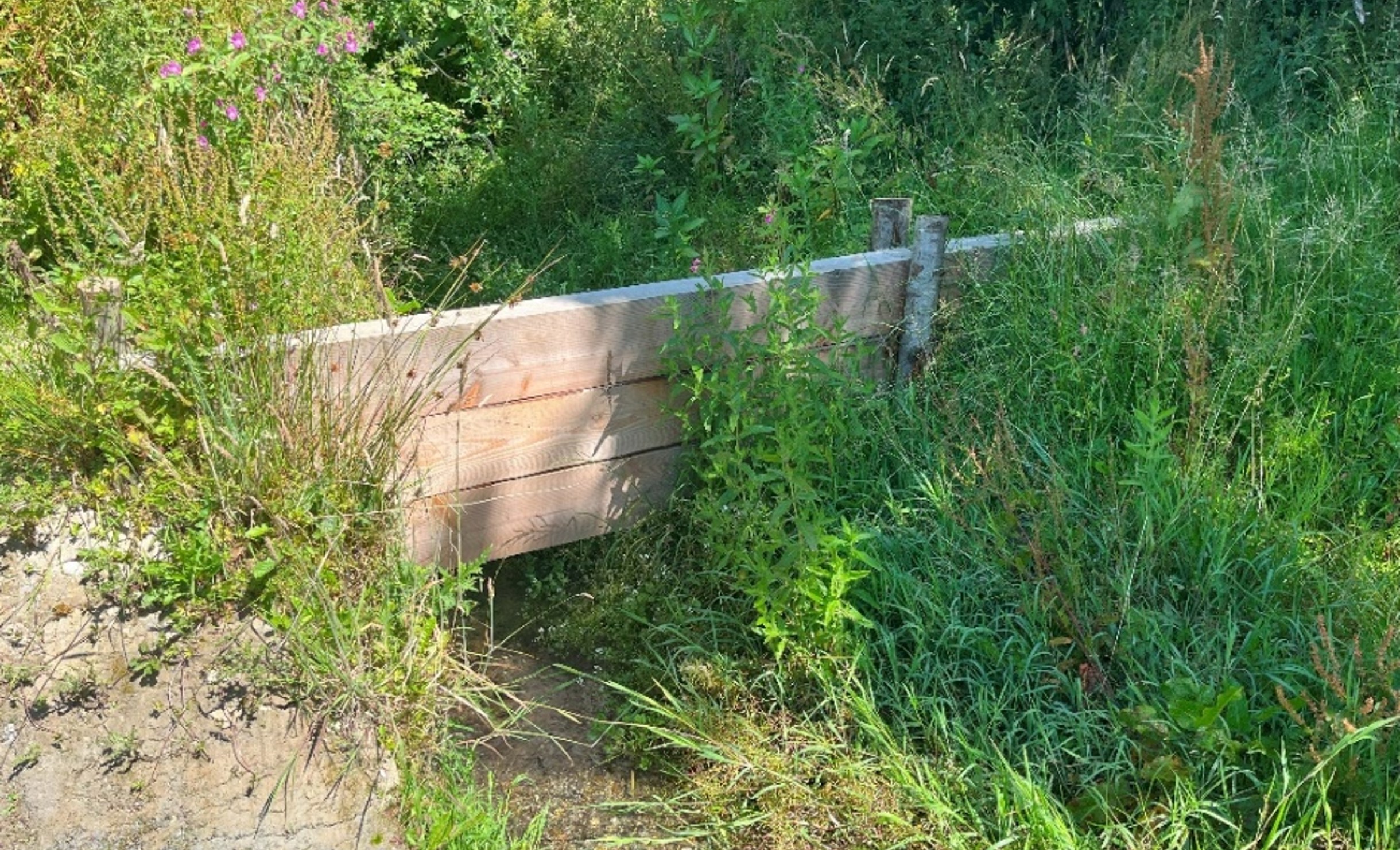
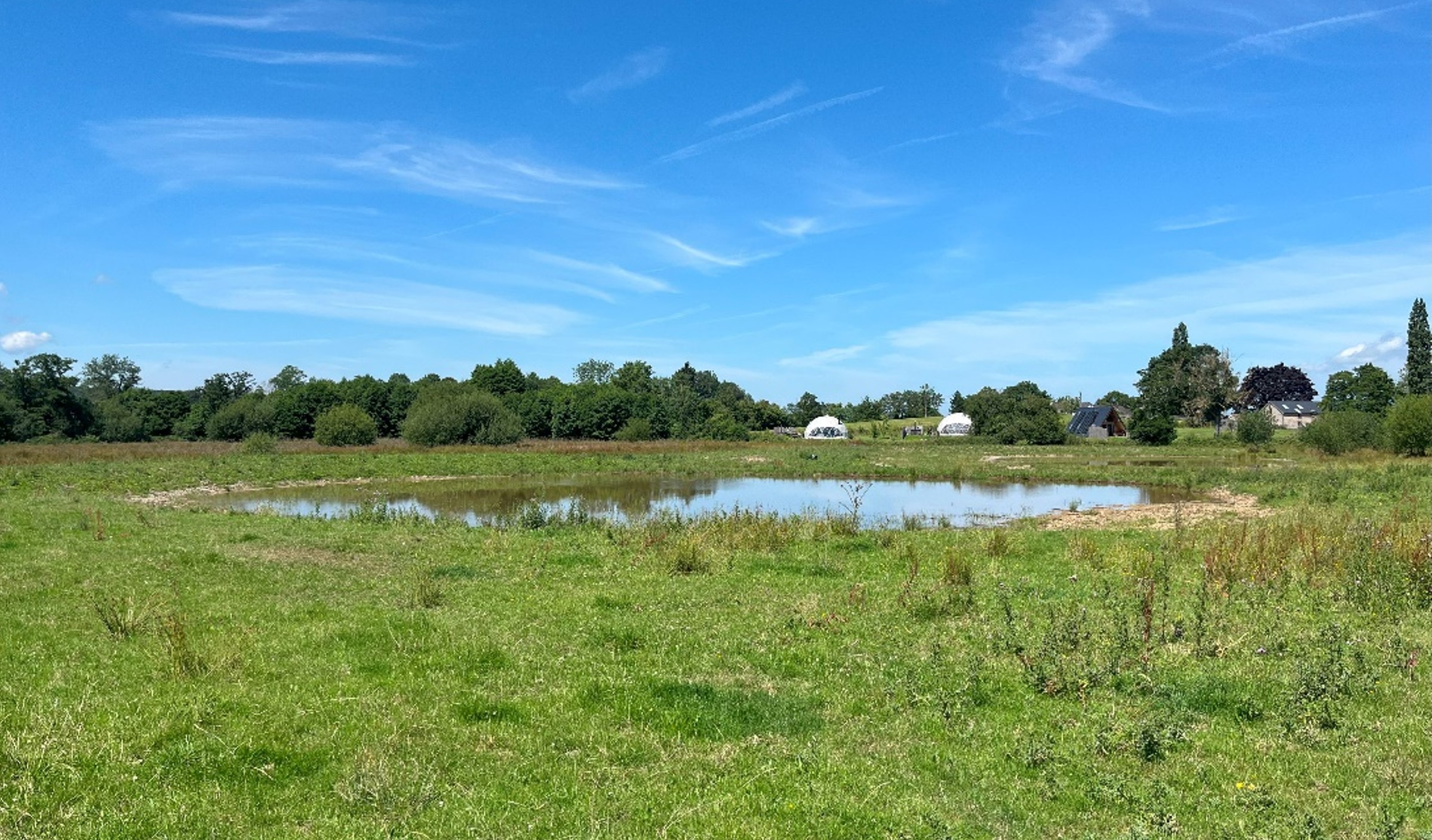
Llysfasi A: (constructed March 2025): Two ditch blocks on the southern border, a leaky barrier across the Dwr Ial, leats to lift and return water, and two shallow ponds to retain surface water. Design refinements balanced floodplain storage with control, including removal of north ditch blocks to avoid neighbour issues and reinstatement via a short leat.
Llysfasi B: An uncommon wet heath targeted for re‑wetting via ditch blocks and log jams, with fencing to manage livestock access. Ecological constraints (potential water vole) delayed works beyond the funding window; construction is now programmed for the next financial year, with groundwater monitoring already in place.
Llysfasi C: (constructed March 2025): Four ditch blocks and fencing to exclude livestock on a degraded wetland sedge. Later, solid timber baulk blocks formed six small ponds to raise water levels.
Project Outcome
Early results show positive environmental changes. Biodiversity improved at Lysfasi A with more invertebrates and the arrival of Canadian geese. Although drought prevented the ponds from filling, the alder filter strip reduced nutrient levels, especially nitrate.
At Llysfasi B, drought limited water sampling, but groundwater monitoring confirmed falling water levels as expected.
Llysfasi C’s ponds dried temporarily due to evaporation and minor leaks, yet water quality stayed good with low nitrate and phosphate.