

Waterco Datrys
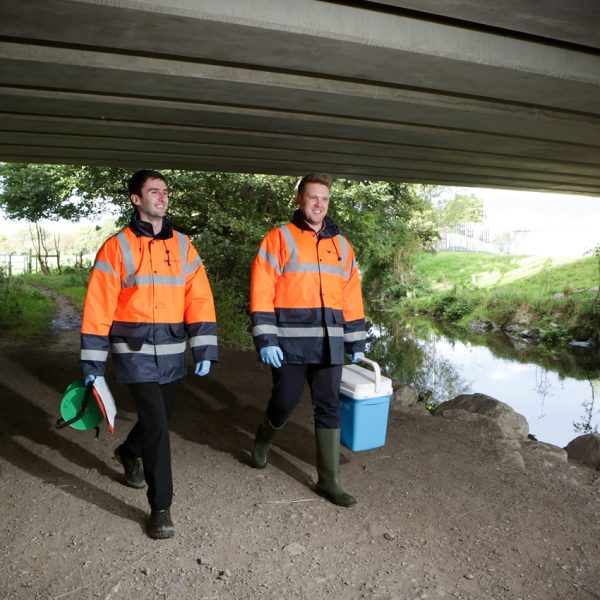
We undertake Phase 1 Environmental Desk Studies to identify potential contamination risks and inform early project decisions.
Our team delivers Phase 2 investigations to characterise ground contamination and assess risks through targeted sampling and analysis.
We carry out contaminated land assessments to evaluate pollutant linkages and determine appropriate risk management measures.
We prepare hydrogeological risk assessments to evaluate groundwater impacts and protect controlled waters during construction and operation.
Waterco Datrys
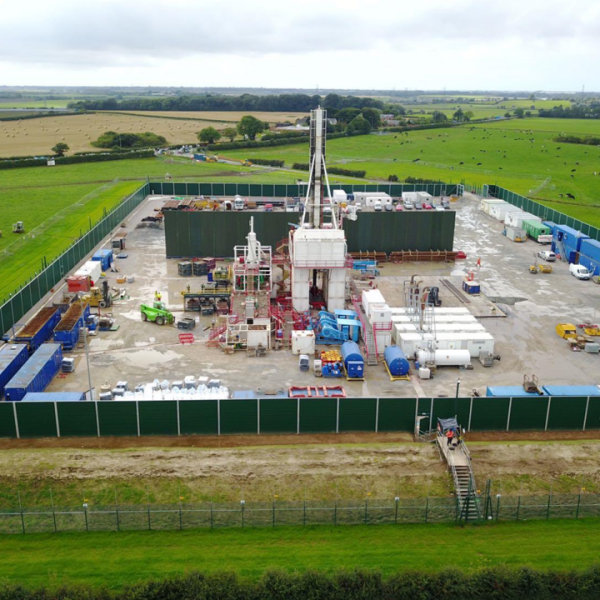
Our team produces a Geotechnical Desk Study Report to identify ground risks, constraints, and opportunities supporting safe, efficient infrastructure design.
We prepare a Ground Investigation specification defining investigation scope, methods, and testing to characterise site ground conditions.
Our team compiles factual and interpretative reports to present ground data and assess its implications for design.
We deliver outline and detailed geotechnical design reports setting out analyses, assumptions, and recommendations for safe construction.
Our Work
Contact Us
A Flood Risk Assessment checks if a site is suitable for development by evaluating its risk of flooding. Requirements vary by region, but usually depend on the site’s location, size, and type of development. In England and Scotland, it’s called a Flood Risk Assessment; in Wales, it’s a Flood Consequence Assessment.
A Flood Risk Assessment is typically required when any of the following applies:
1. The site is over 1ha.
2. Can be classed as a major development.
3. Located in Flood Zone 2 or 3.
4. Drainage area is classed as critical.
A Drainage Strategy (SuDS report) is needed if your site is over 1ha, a major development (10+ units), in Flood Zone 2 or 3, in a critical drainage area, or if building a new structure.
Local planning authorities may request one to ensure your project complies with regulations and avoids future issues. Checking early helps prevent delays, and our team can guide you through the process.
In certain areas the LLFA, EA, SEPA or NRW may not hold sufficient information for your site to inform their decision on flood risk, flood sources and flood hazards. We can support your Flood Risk Assessment in-house with hydrology assessments and detailed hydraulic modelling.
Hydraulic modelling simulates how water behaves under changing conditions to assess flood risks. Using software such as MIKE FLOOD, Flood Modeller Pro, TUFLOW, and HEC-RAS, we predict flood depths, velocities, inundation rates, and hazard ratings. These insights inform UK flood maps and help clients develop effective flood management strategies.