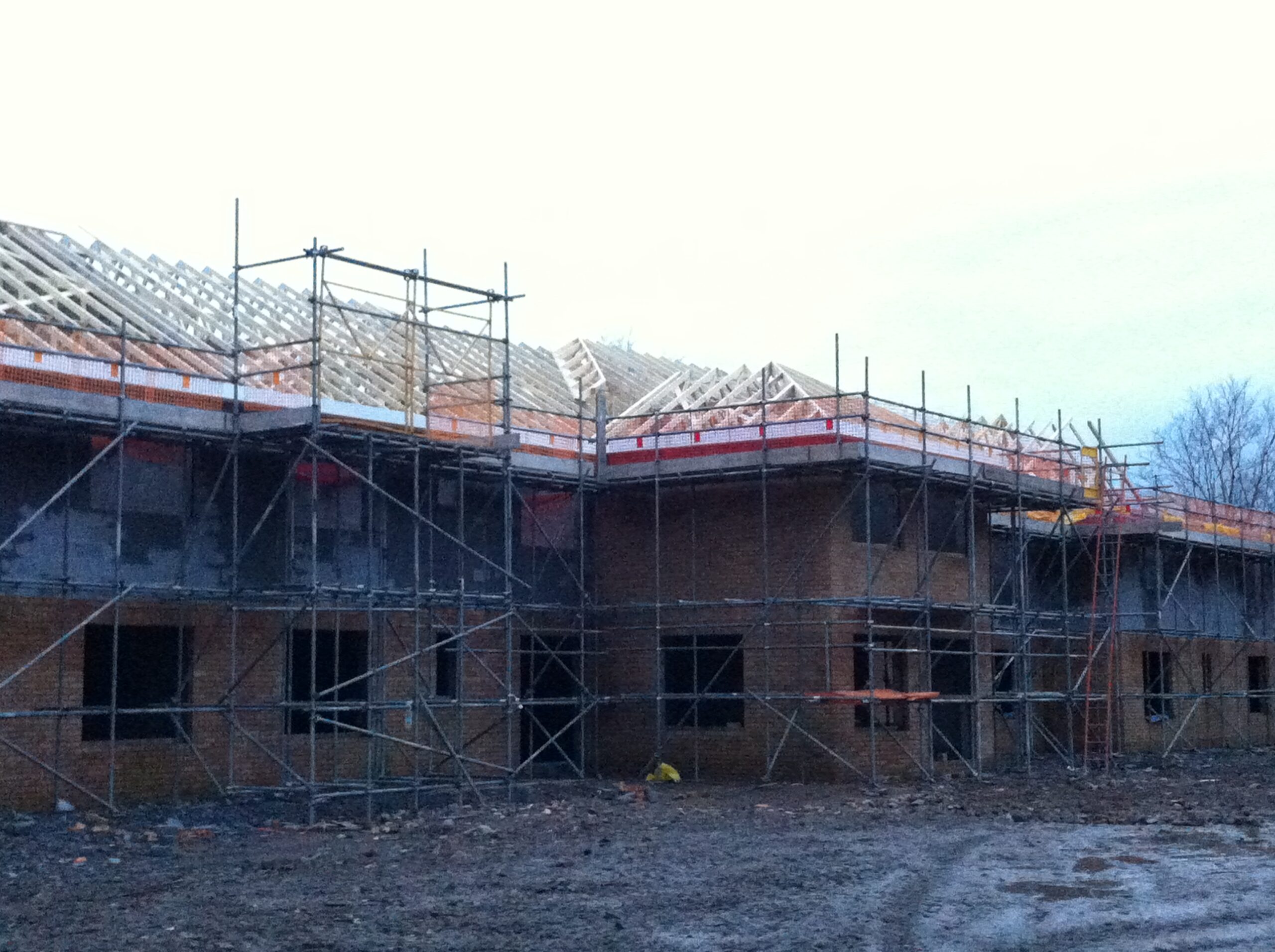
Bryn Seiont is an Extra Care facility developed on the site of the former Ysbyty Bryn Seiont community hospital. Commissioned by the Pendine Park Care Organisation, the project was delivered in two phases:
Phase 1 completed in 2016 and Phase 2 in 2019.
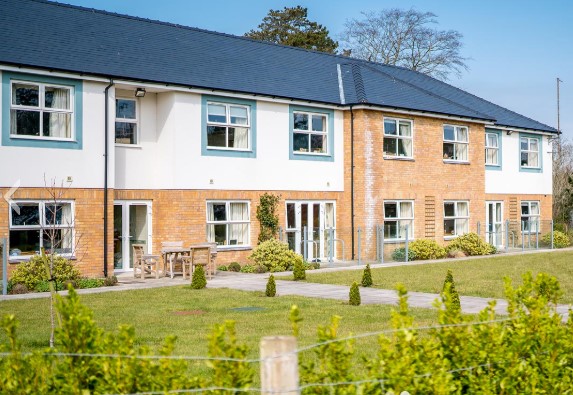
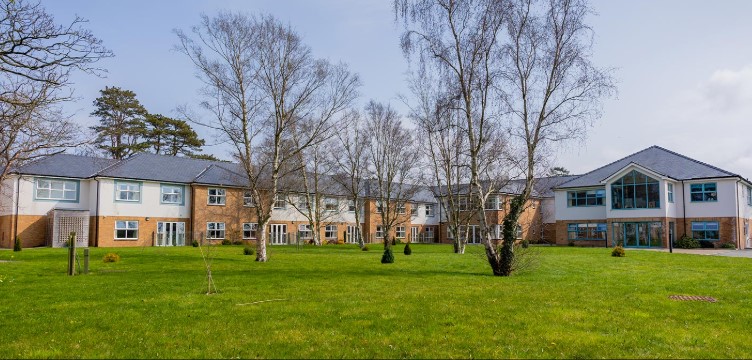
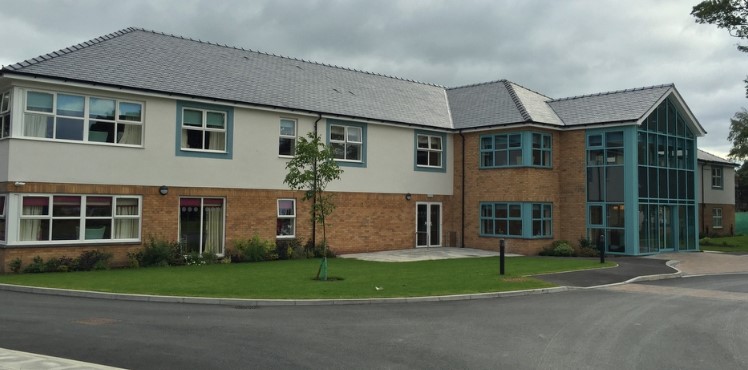
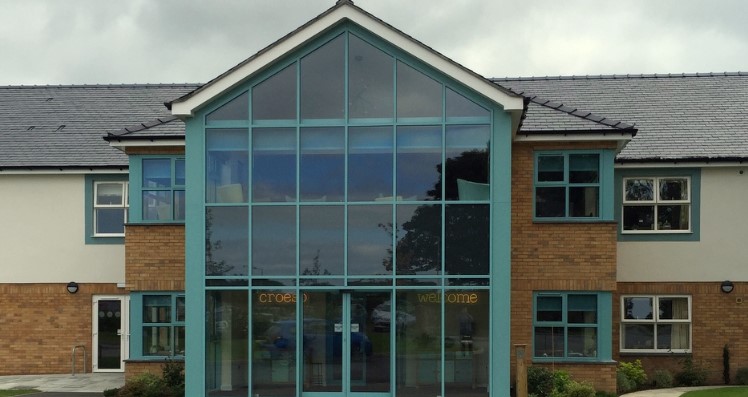
The result is a modern, 71-bed care home divided into eight small, family-like units.
Recognised nationally as the Best Care Home in the UK, winning the main award at the Pinders Healthcare Design Awards 2016.
Technical: Modern design improves operational efficiency and resident comfort.
Risk: Careful site clearance reduced construction and safety risks.
Community: Project delivers high-quality care for the local community.
Client
Carroll Builders & Contractors, Pendine Park Care Organisation
Project Type
Structural & Civil, Full Project Delivery
Date
2016-2019
Location
Caernarfon, Gwynedd
Our Approach
The project team, including Carroll Builders & Contractors and Wynn Rogers Architectural Services, adopted a collaborative design and build approach.
Datrys provided comprehensive civil and structural engineering services for both phases, working closely with the contractor to ensure seamless integration of design and construction.
The team faced the challenge of building on a site with a basement from the previous hospital, requiring stepped traditional strip footings and careful site clearance.
The Solutions
The project involved demolishing the old hospital buildings and constructing two extensive new buildings in stages. The structures feature trussed rafter roofs, precast concrete floors, and loadbearing masonry walls.
The design prioritised resident comfort and operational efficiency, with the facility divided into smaller, family-like units to foster a homely environment.
The same design team continued into Phase 2, which included a £3 million extra care facility extension.
Project Outcome
This project delivered a modern 71-bed care home arranged in eight small, family-style households, an approach widely recognised as best practice in contemporary care design.
The phased approach allowed for continuous improvement and adaptation to evolving care standards. The project’s success is reflected in its national recognition and the positive impact on the local community, delivering a modern, supportive environment for both residents and staff.